Cast & creator
Friedrich Dürrenmatt
Best known for Apostrophes, Theatre 625, Thirty-Minute Theatre
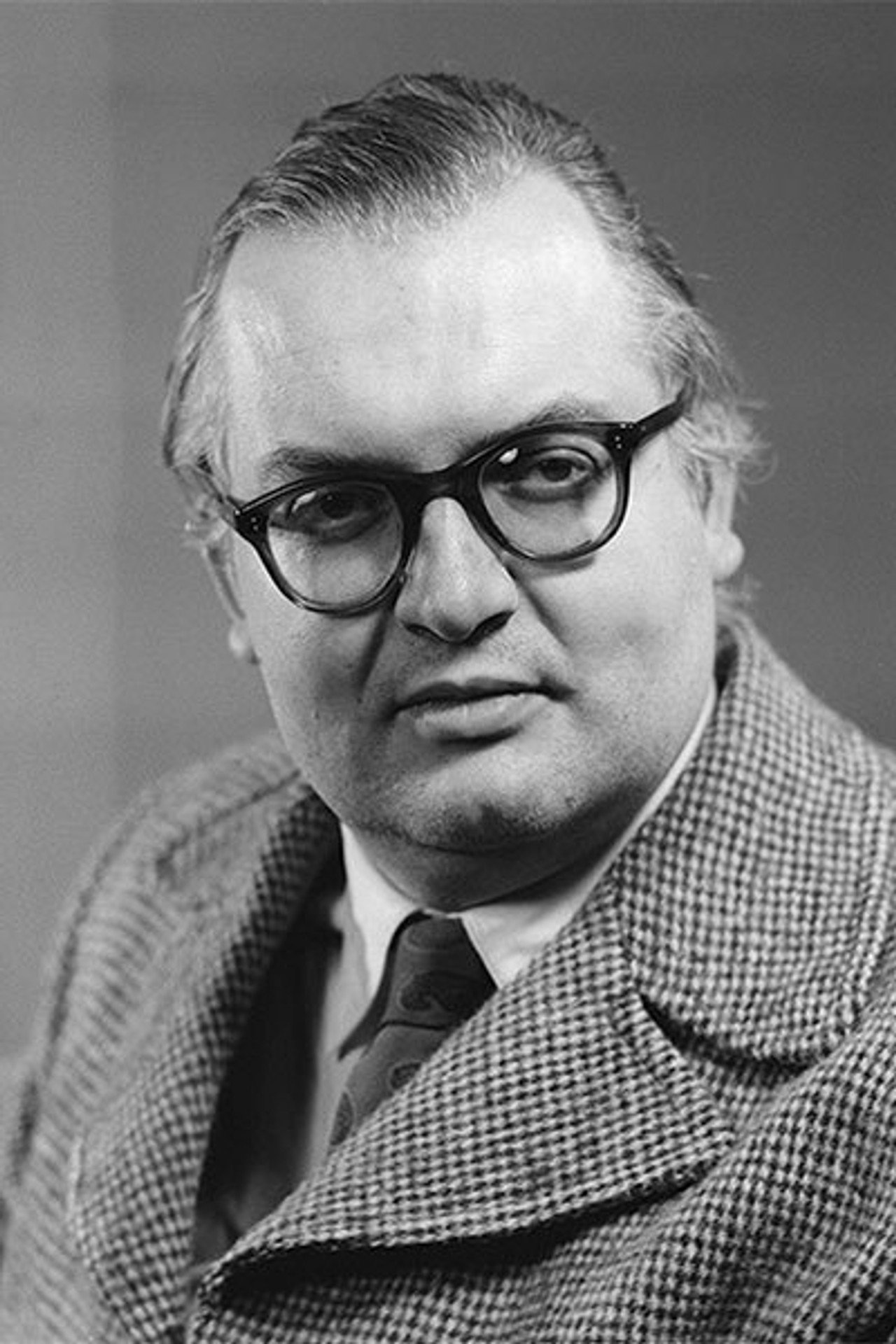
Friedrich Dürrenmatt (5 January 1921 – 14 December 1990) was a Swiss author and dramatist. He was a proponent of epic theatre whose plays reflected the recent experiences of World War II. The politically active author's work included avant-garde dramas, philosophical crime novels, and macabre satire. Dürrenmatt was a member of the Gruppe Olten, a group of left-wing Swiss writers who convened regularly at a restaurant in the city of Olten. Dürrenmatt was born in Konolfingen, canton of Bern, the son of a Protestant pastor. His grandfather, Ulrich Dürrenmatt, was a conservative politician. The family moved to Bern in 1935. Dürrenmatt began studies in philosophy, German philology, and German literature at the University of Zürich in 1941, but moved to the University of Bern after one semester where he also studied natural science. In 1943, he decided to become an author and dramatist and dropped his academic career. In 1945–46, he wrote his first play It Is Written. On 11 October 1946, he married the actress Lotti Geissler. Dürrenmatt traveled in 1969 to the United States, in 1974 to Israel, and in 1990 to Auschwitz in Poland. In 1975 he played himself in the film End of the Game. Dürrenmatt also enjoyed painting. Some of his own works and his drawings were exhibited in Neuchâtel in 1976 and 1985, as well as in Zürich in 1978. His wife Lotti Geissler died on 16 January 1983. Dürrenmatt married another actress, Charlotte Kerr, in 1984. In 1990, he gave two famous speeches, one in honour of Václav Havel ("Die Schweiz, ein Gefängnis?/Switzerland a Prison?"), upon discovering he had been spied on for five decades, along with 800,000 of his left-leaning fellow citizens, by the Swiss secret service; the other in honour of Mikhail Gorbachev ("Kants Hoffnung/Kant's Hope"). Dürrenmatt often compared the three Abrahamic religions and Marxism, which he also saw as a religion. Dürrenmatt died from heart failure on 14 December 1990 in Neuchâtel. Since 2000, his works are exhibited in Centre Dürrenmatt, a part of the Swiss National Library. Like Bertolt Brecht, Dürrenmatt explored the dramatic possibilities of epic theatre. Next to Brecht, he has been called its "most original theorist". When he was 26, his first play, It Is Written, premiered to great controversy. The story of the play revolves around a battle between a sensation-craving cynic and a religious fanatic who takes scripture literally, all of this taking place while the city they live in is under siege. The play's opening night in April 1947, caused fights and protests in the audience. Between 1948 and 1949, Dürrenmatt wrote several segments and sketches for the anti-Nazi Cabaret Cornichon in Zürich; among these, the single-act grotesque short play Der Gerettete (The Rescued). ... Source: Article "Friedrich Dürrenmatt" from Wikipedia in English, licensed under CC-BY-SA 3.0.
Also known as: Фридрих Дюрренматт, Friedrich Dürrenmatt
50
film credits
10
television credits
7
1957–2026 · acting roles
6.7
average across scored titles
Signature credits
Known for
Across film & television
Filmography (60)
Showing 60 of 60 credits
Apostrophes
Self
1975
Theatre 625
Writer
1964
Thirty-Minute Theatre
Writer
1965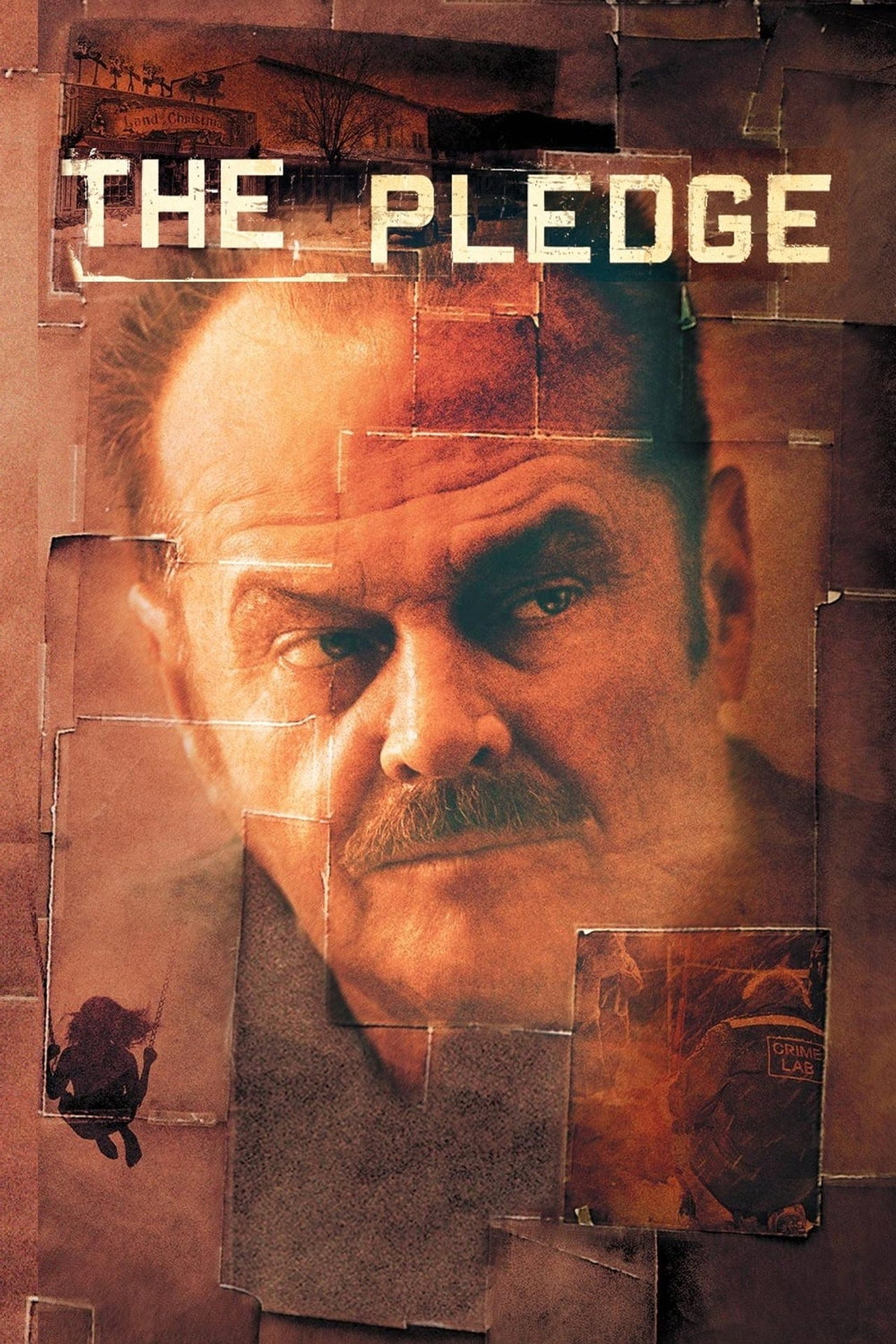
The Pledge
Book
2001Studio III - Aus Kunst und Wissenschaft
Self
1965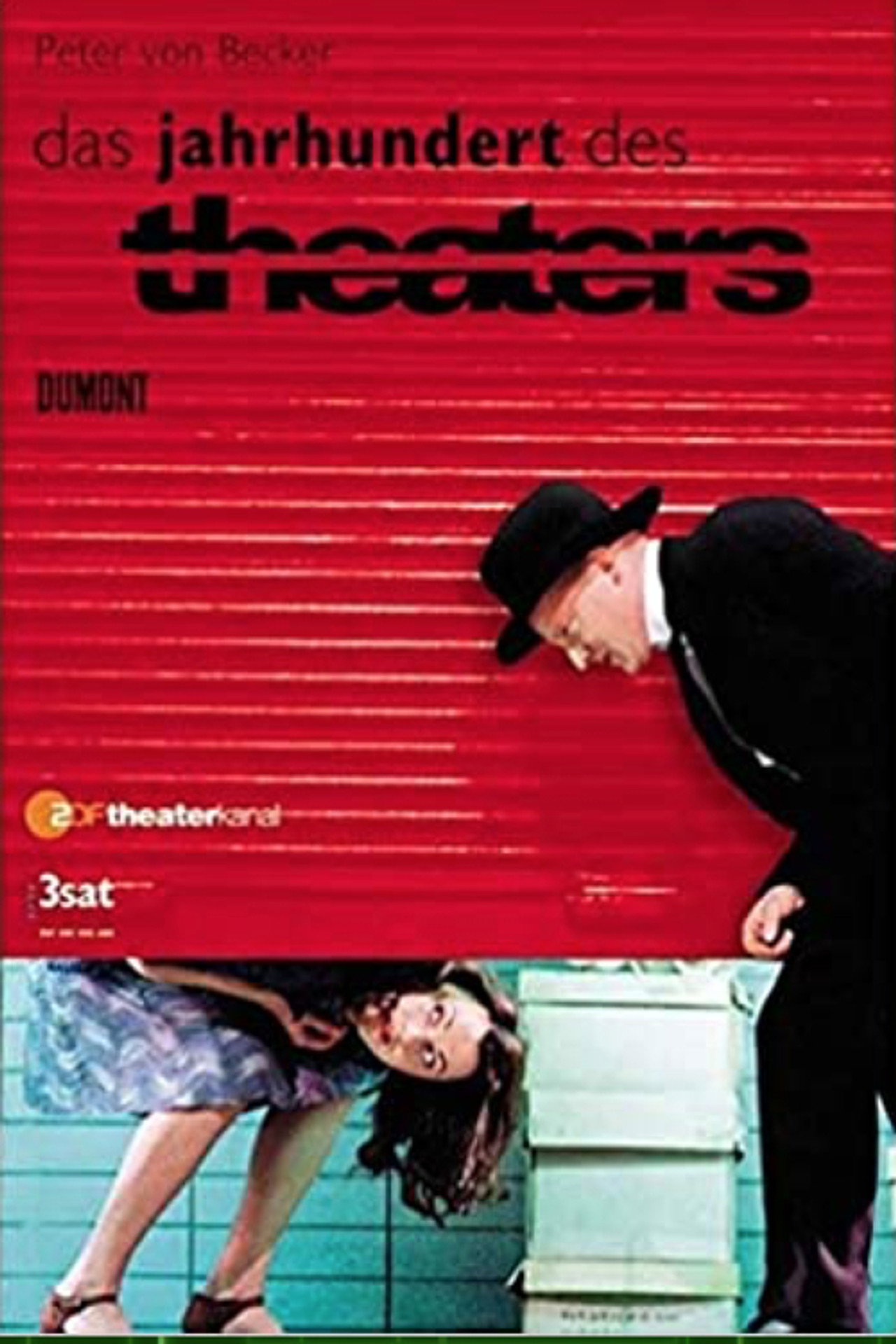
Das Jahrhundert des Theaters
Self
2002Das Profil
Self
1962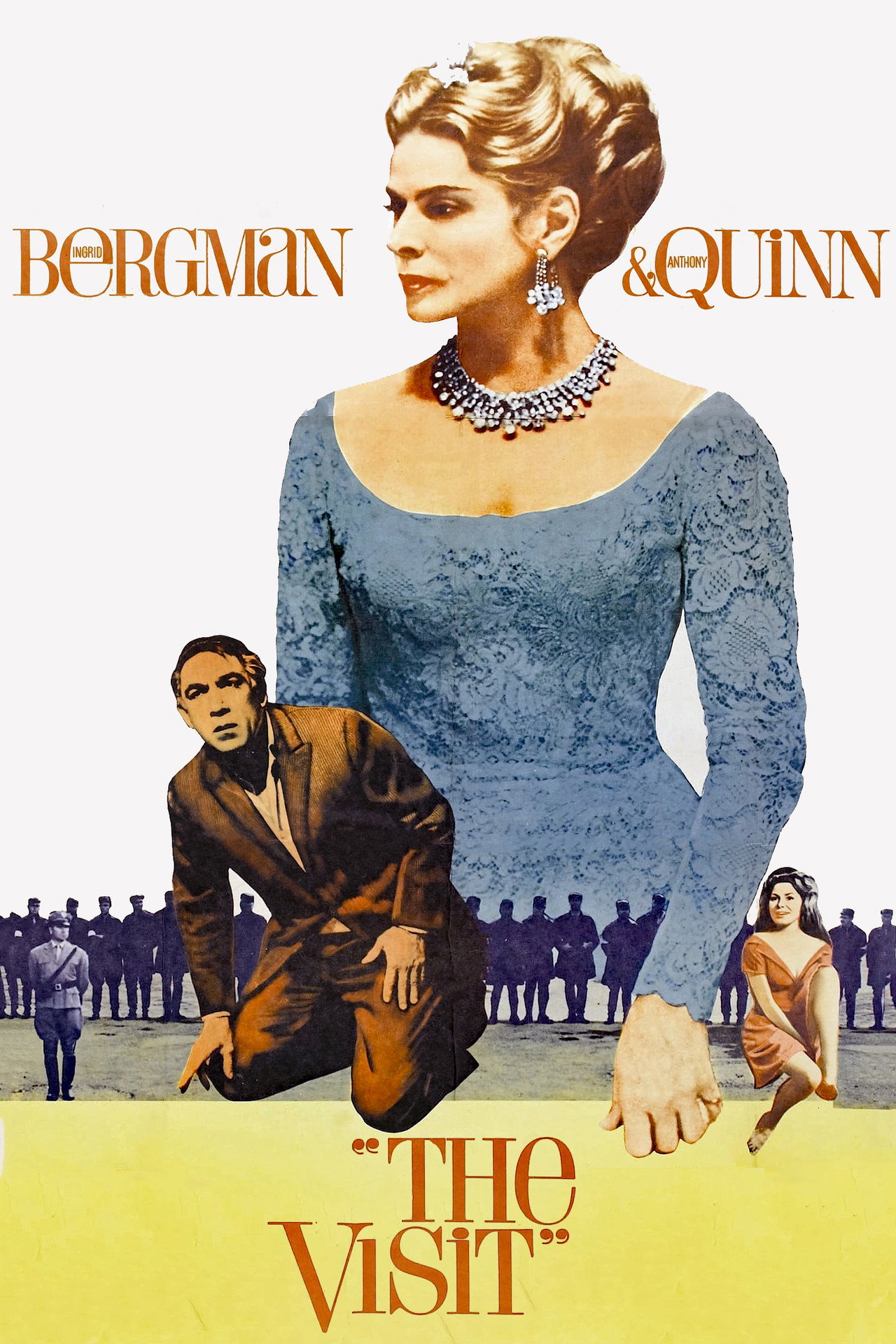
The Visit
Theatre Play
1964The Visit
Writer
1964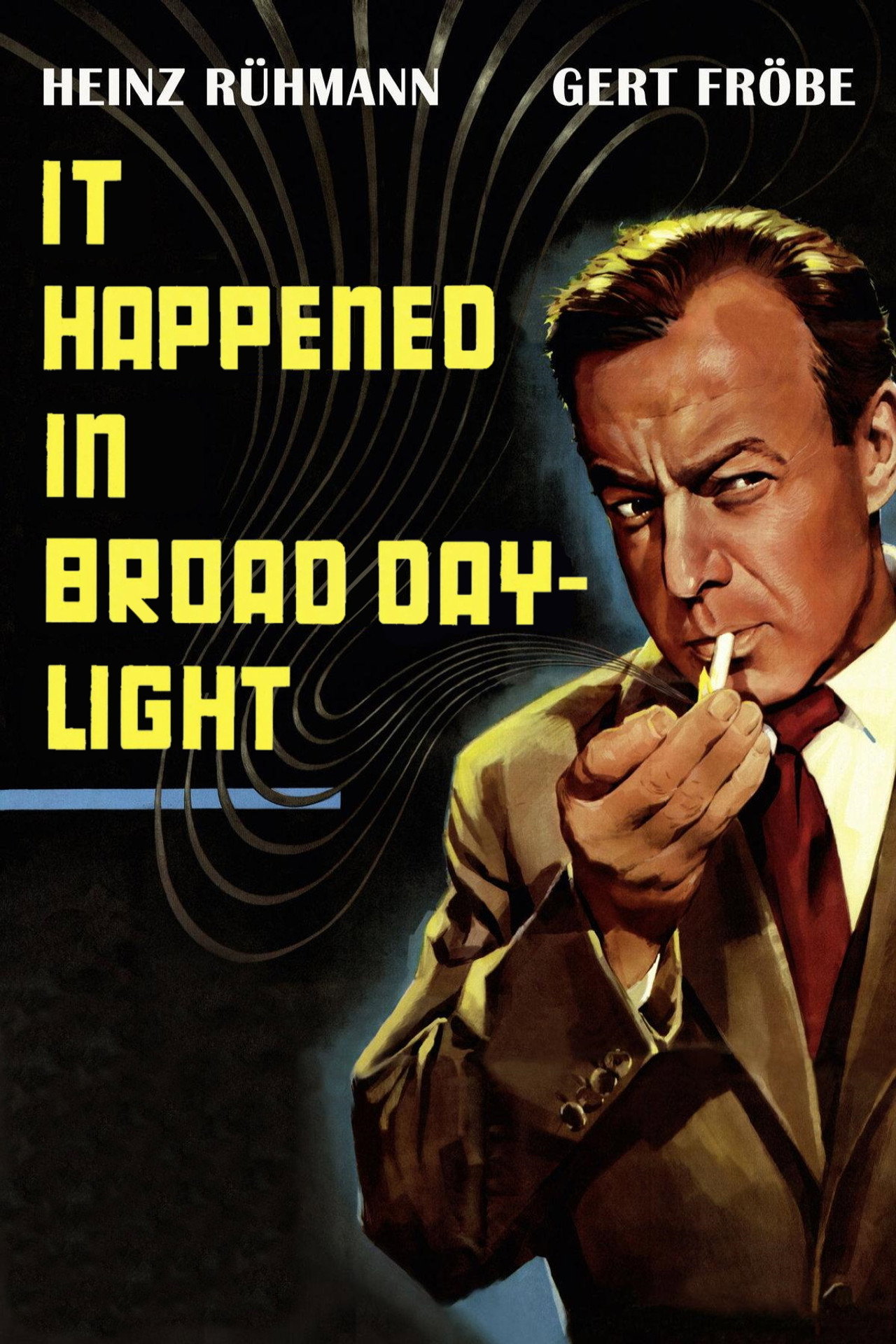
It Happened in Broad Daylight
Writer
1958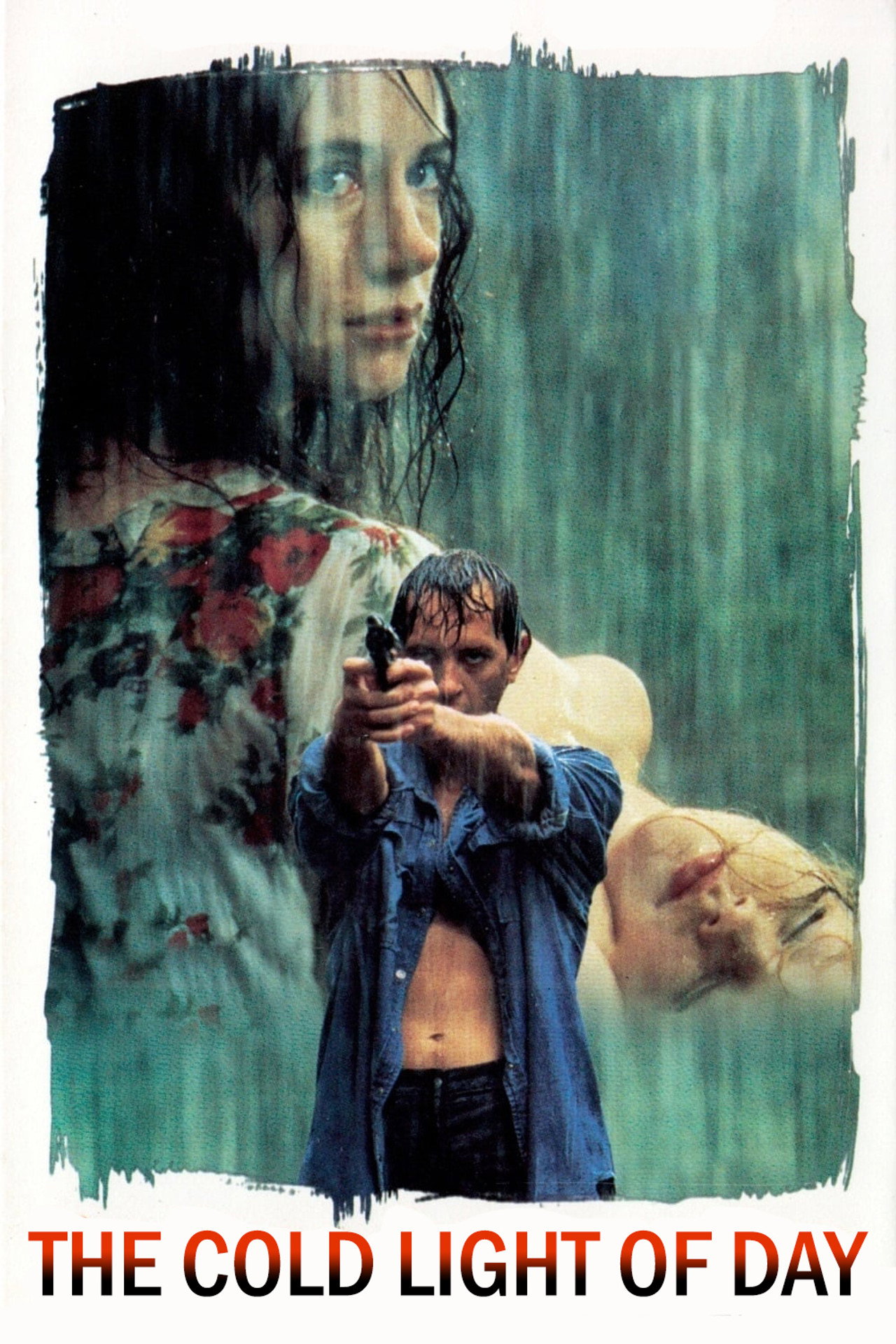
The Cold Light of Day
Novel
1996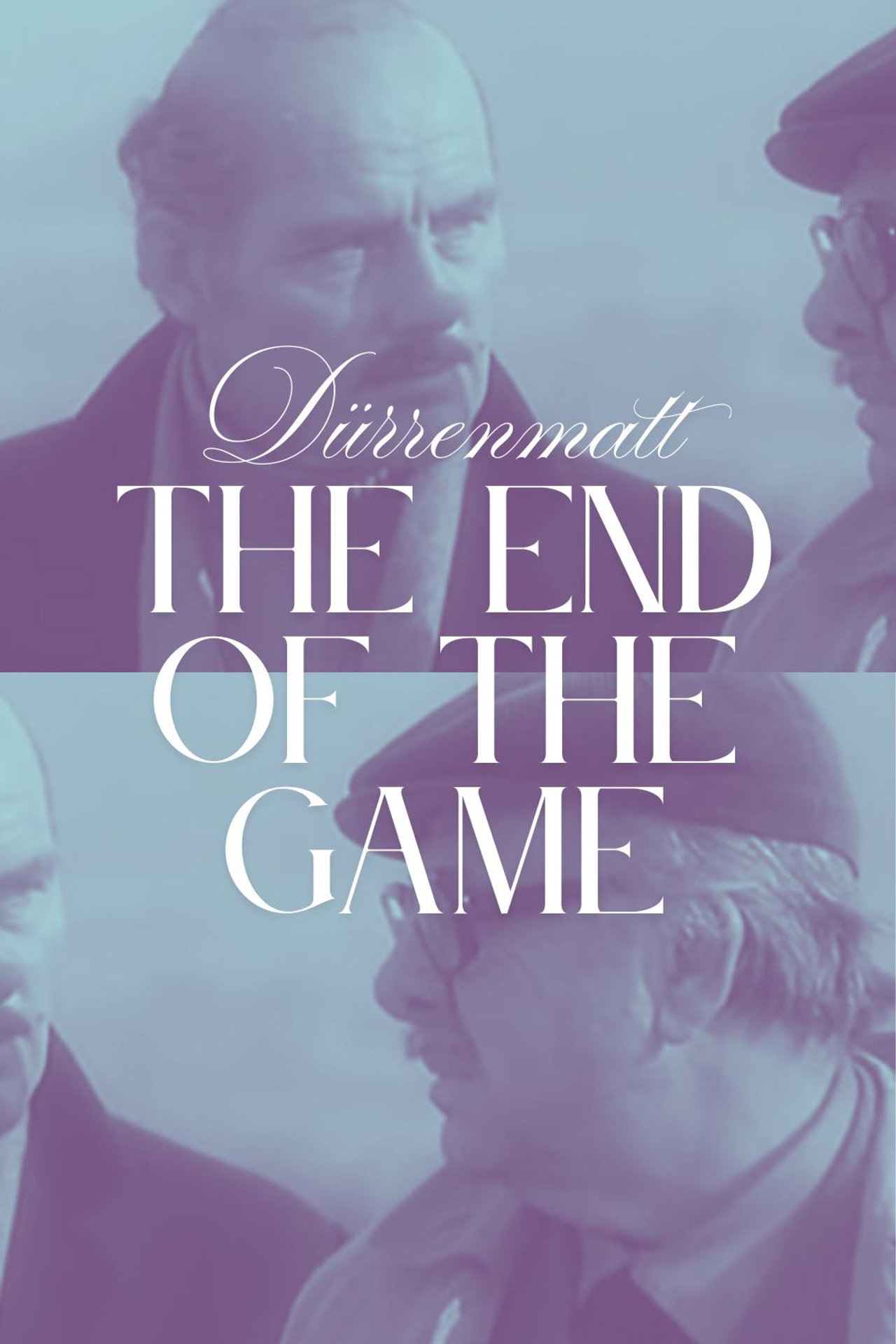
End of the Game
Lamont Friedrich
1975End of the Game
Novel
1975End of the Game
Writer
1975Авария
Novel
1975Авария
Creator
1975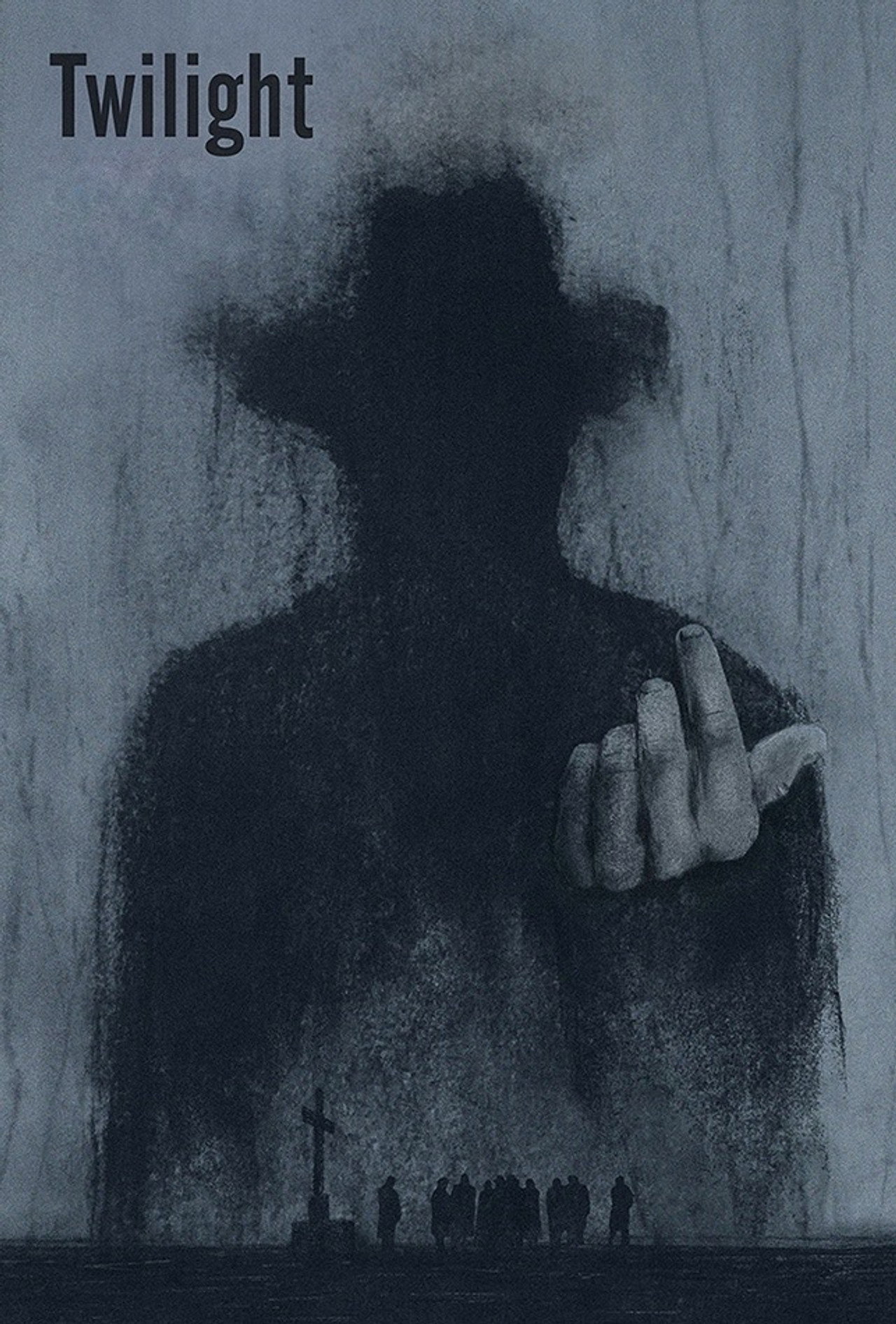
Twilight
Original Story
1990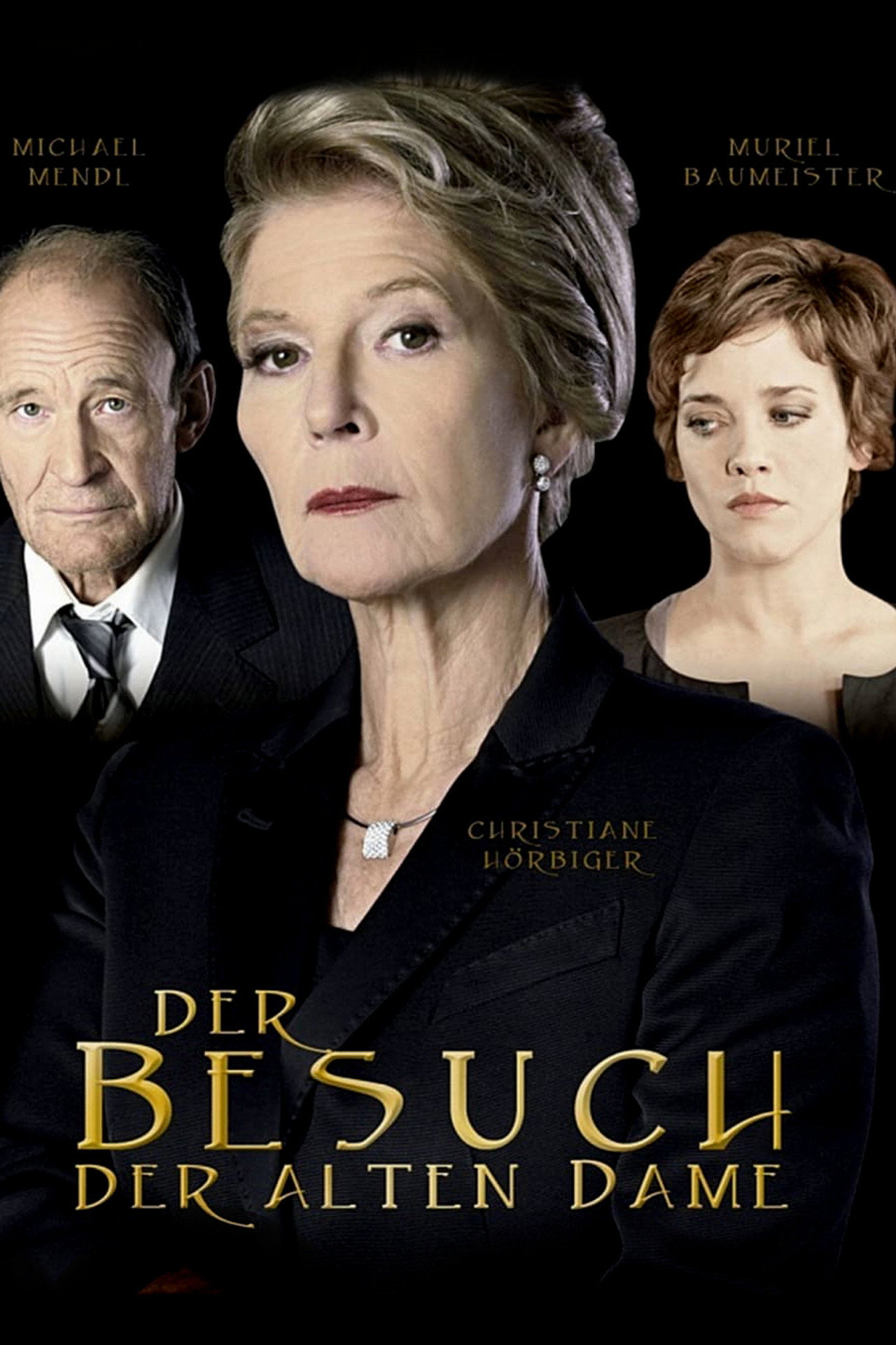
The Visit
Theatre Play
2008The Visit
Writer
2008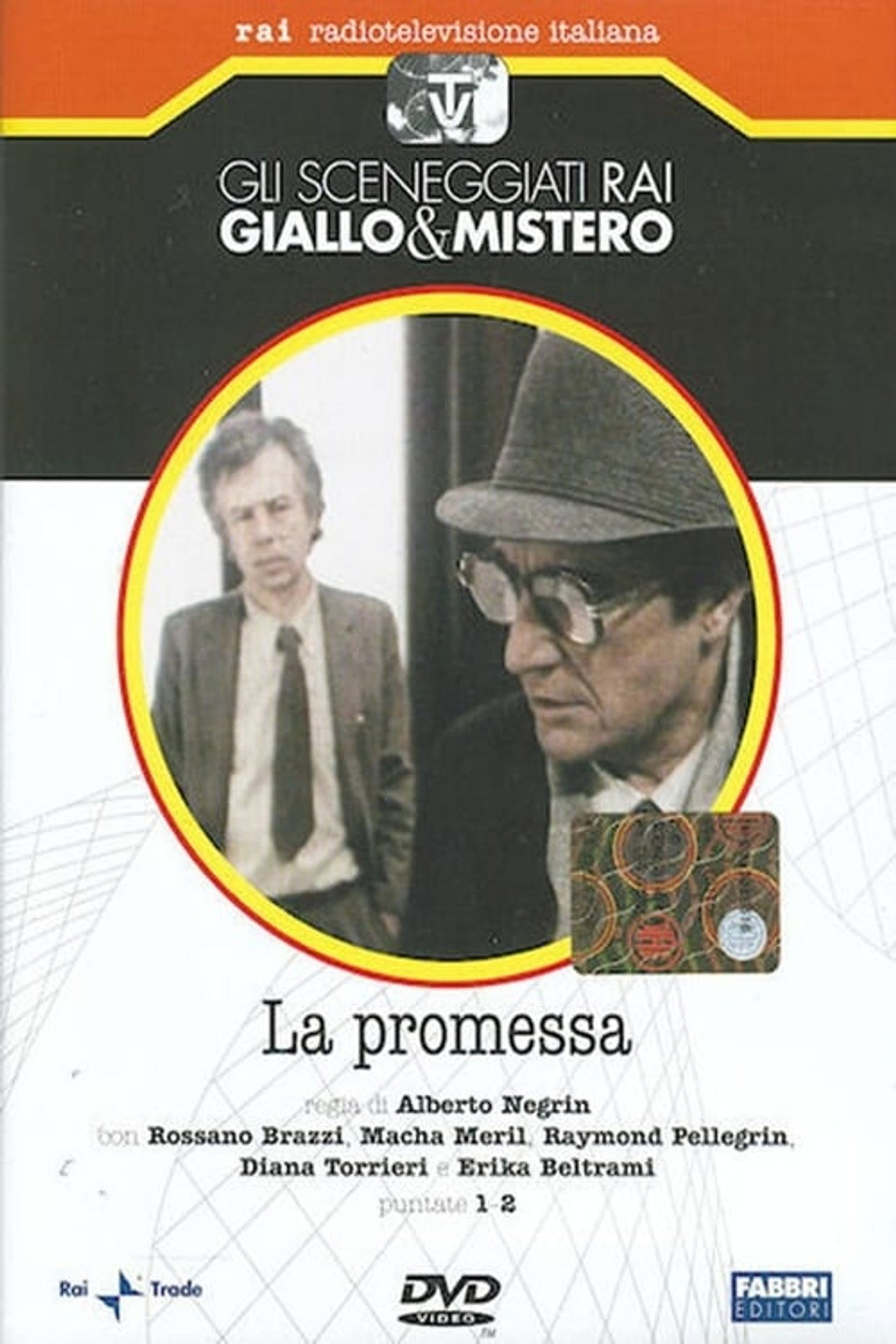
La promessa
Novel
1979Ortel
Novel
2000The Meteor
Writer
1969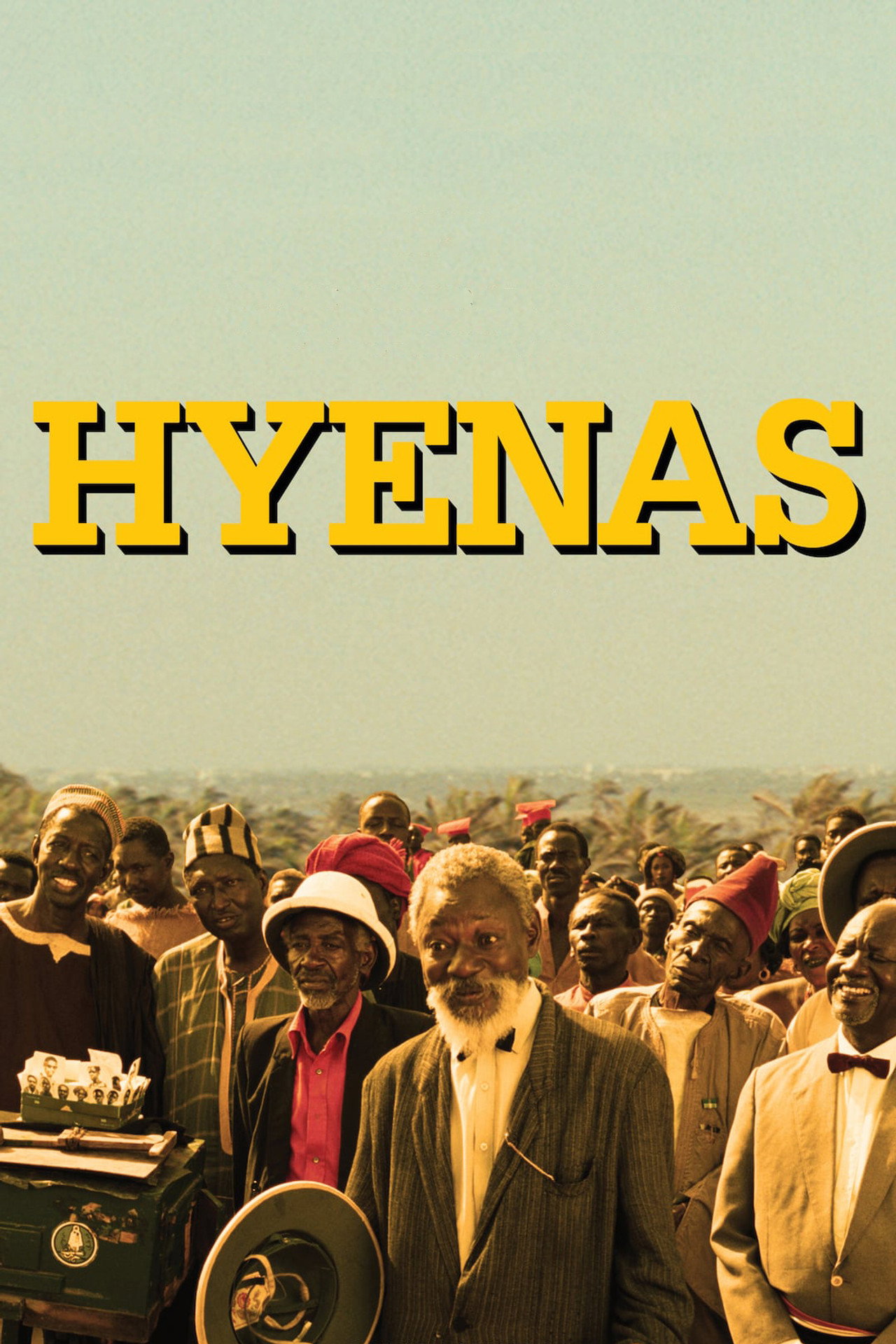
Hyenas
Theatre Play
1992Achterloo IV
Director
1989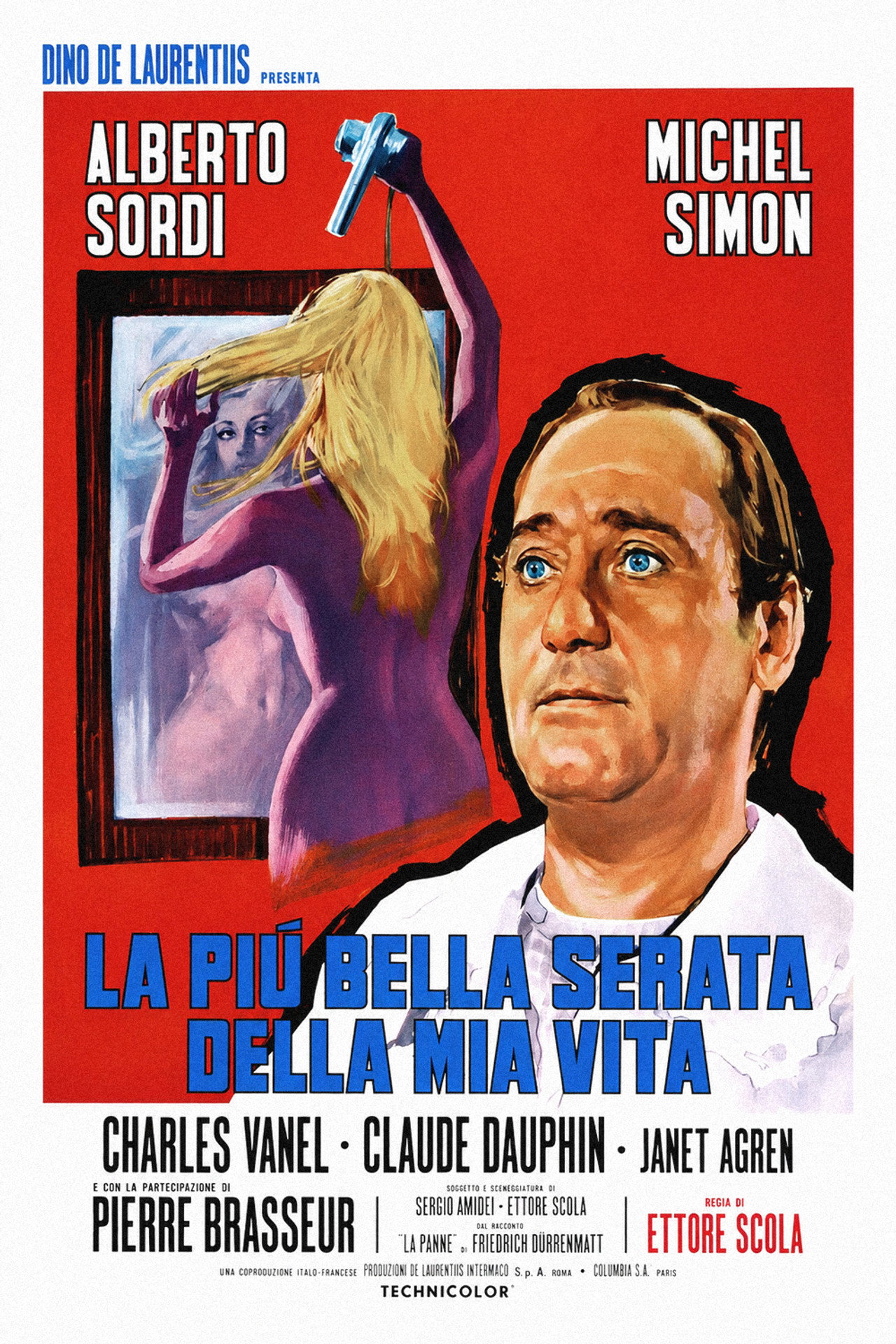
The Most Wonderful Evening of My Life
Theatre Play
1972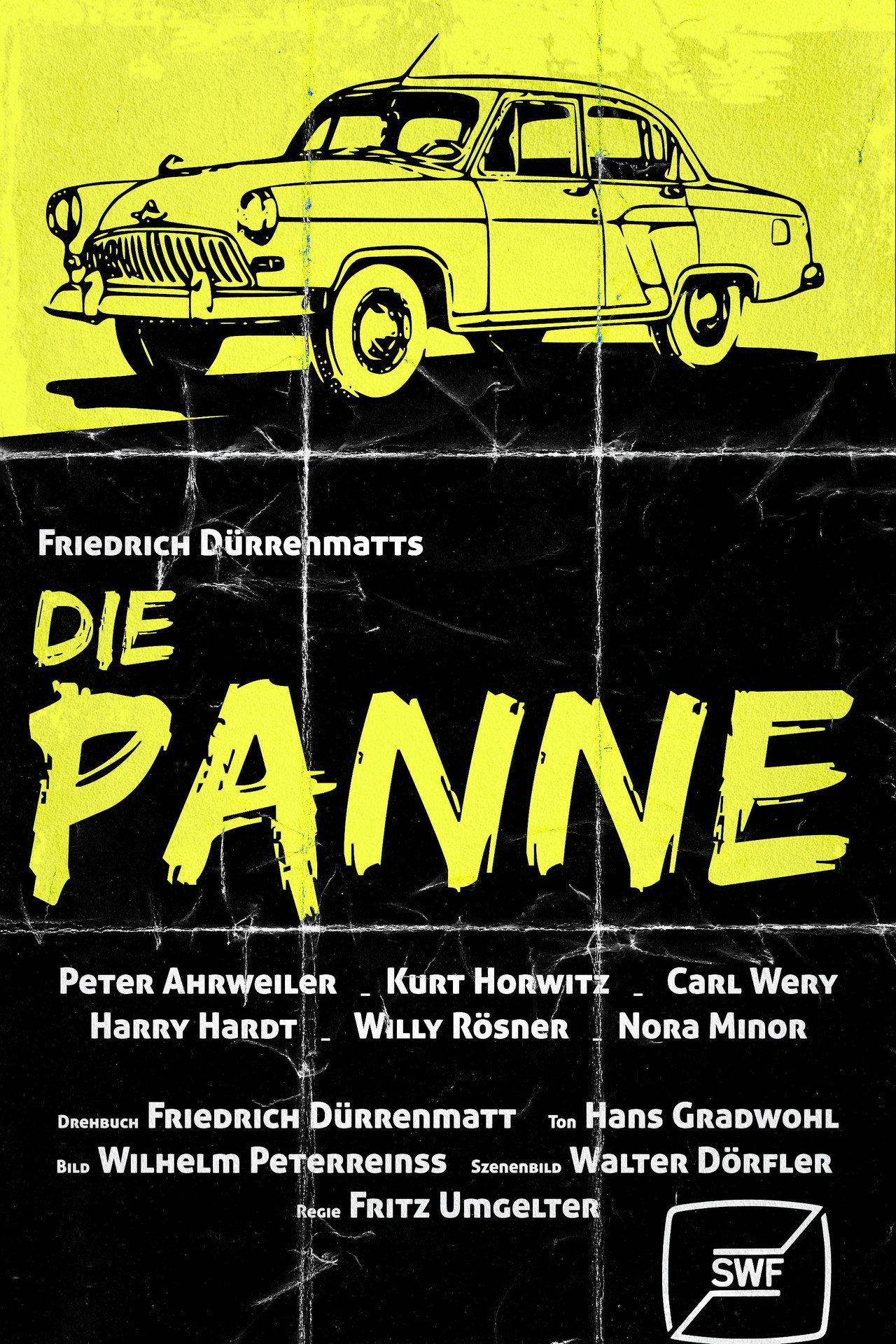
Die Panne
Writer
1957Autoren erzählen
Self
2012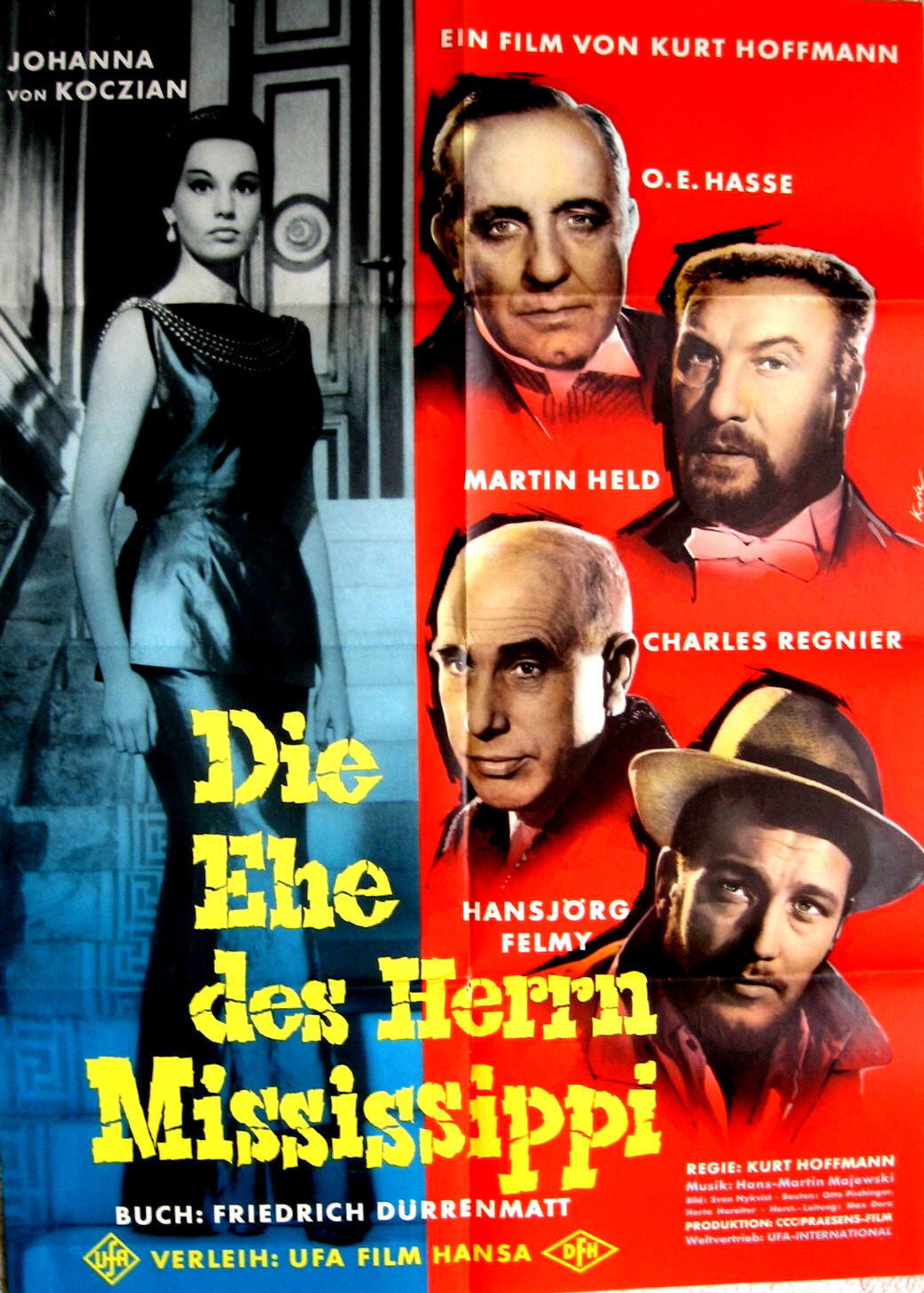
The Marriage of Mr. Mississippi
Screenplay
1961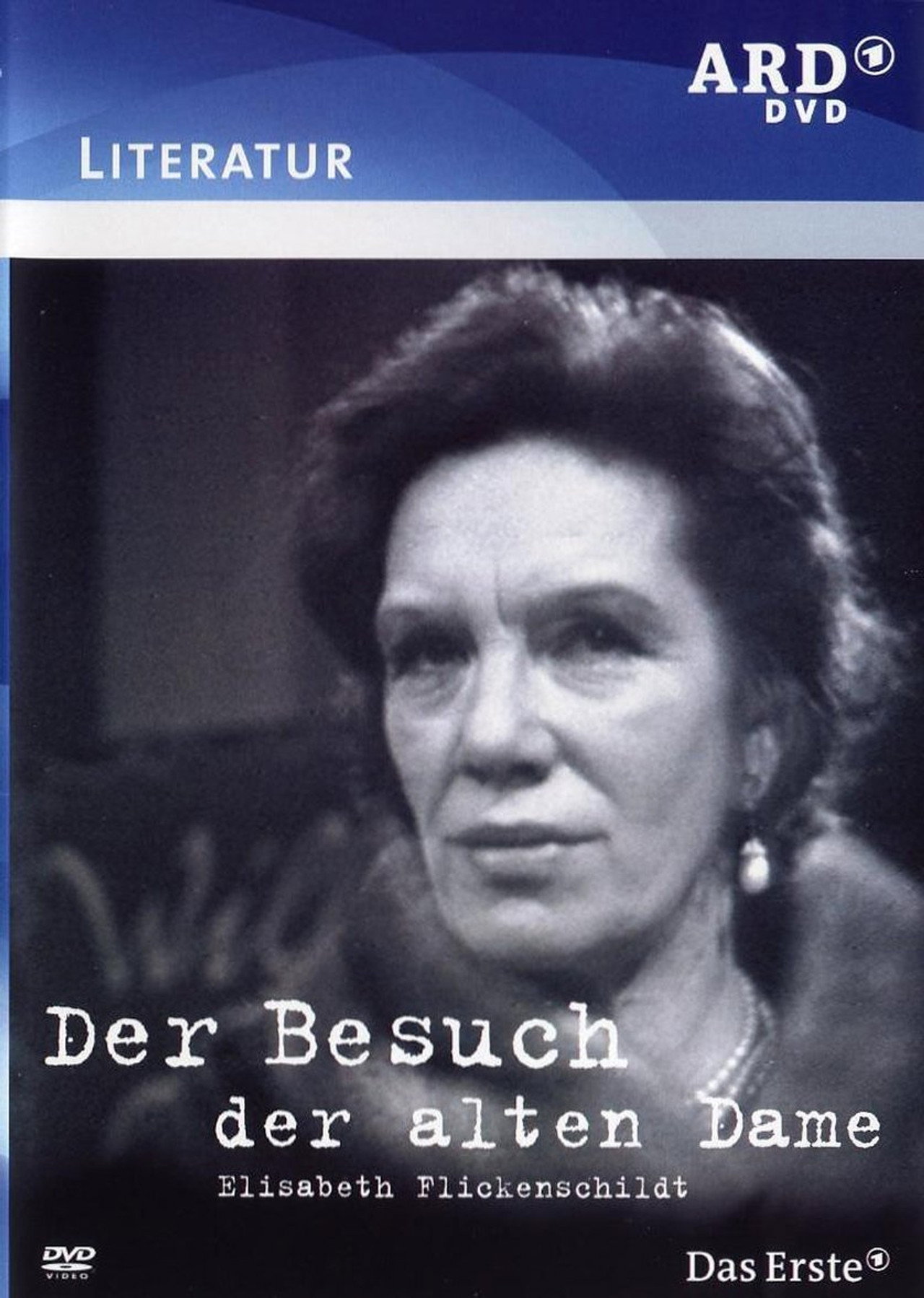
Der Besuch der alten Dame
Writer
1959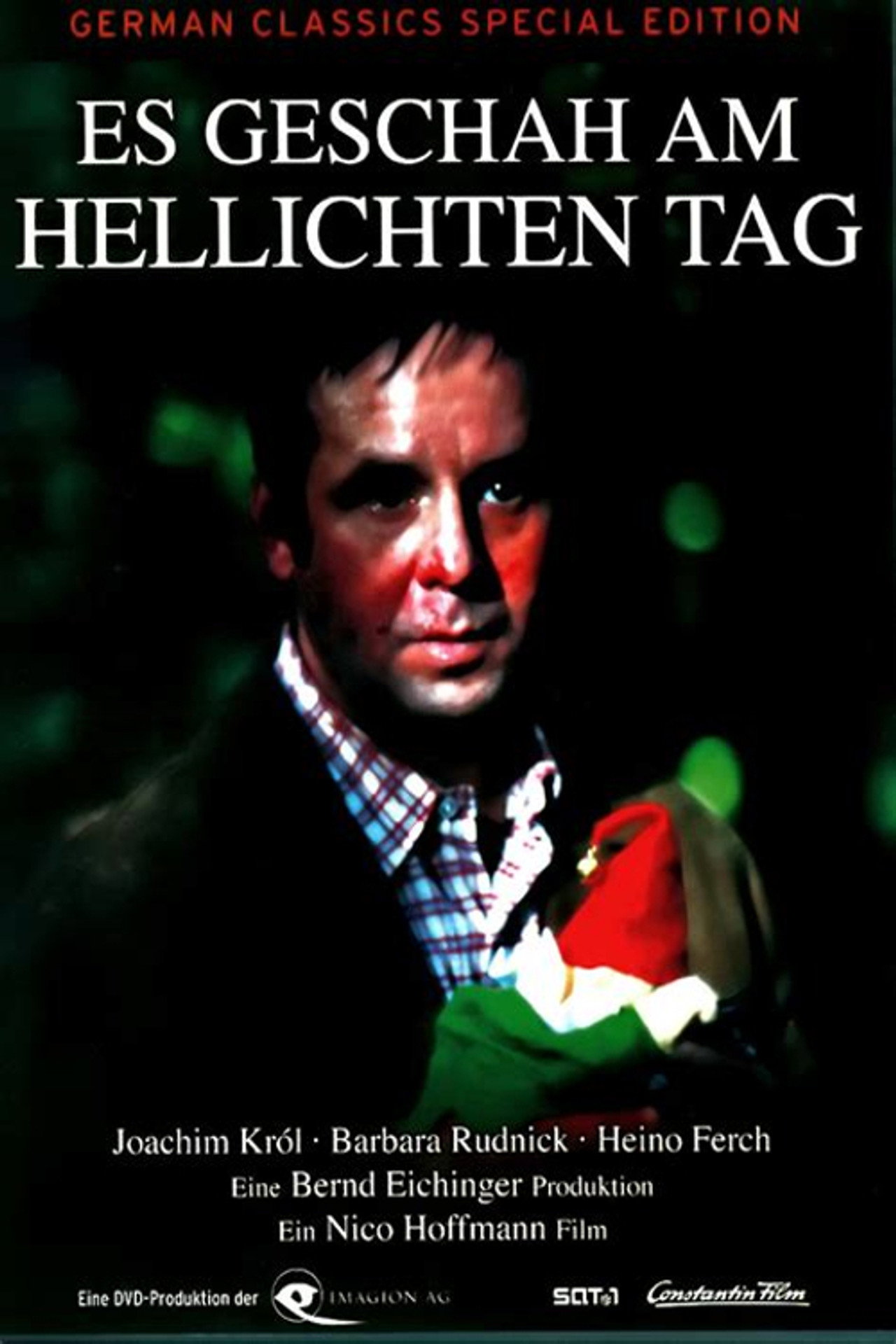
It Happened in Broad Daylight
Novel
1997
Operazione Vega
Screenstory
1962
La visite de la vieille dame
Theatre Play
2026
Der Richter und sein Henker
Writer
1957Der Richter und sein Henker
Novel
1957
Silence! The Court Is in Session
Story
1971Wizyta starszej pani
Author
2002
The Deadly Game
Novel
1982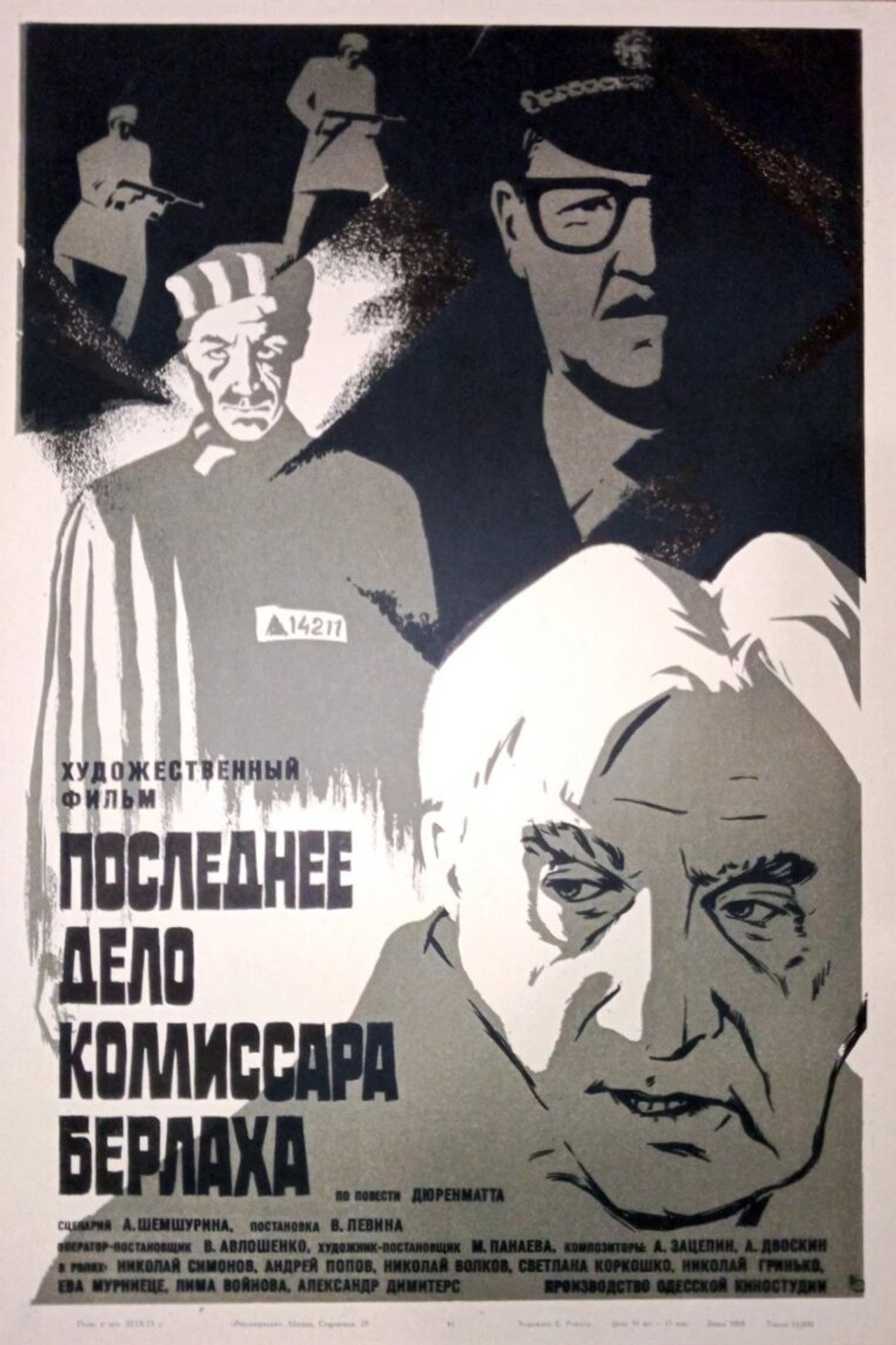
Commissioner Berlach's Last Case
Writer
1972Frank V. - Die Oper einer Privatbank
Director
1967Play Strindberg
Theatre Play
1996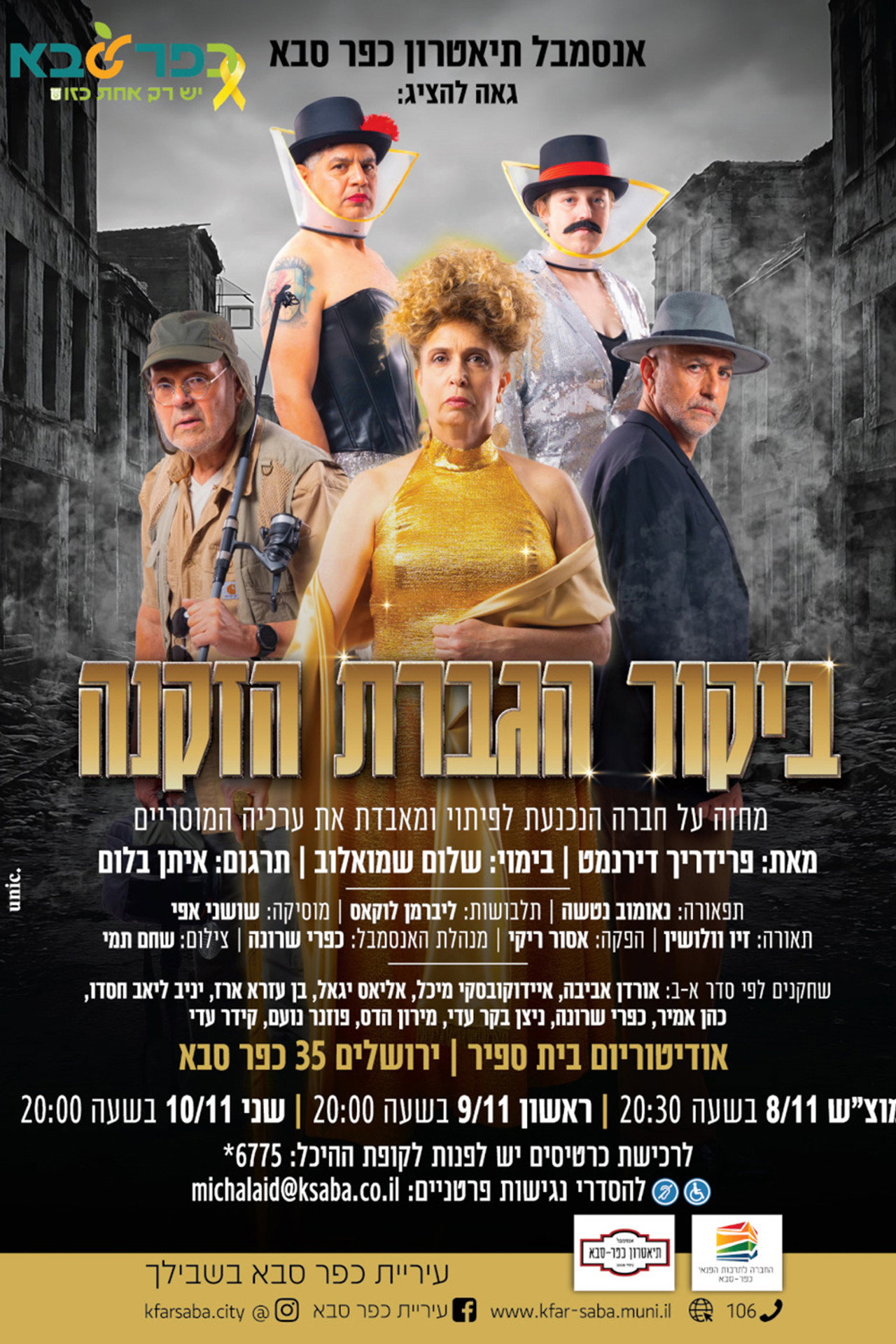
The Visit of the Old Lady
Original Story
2025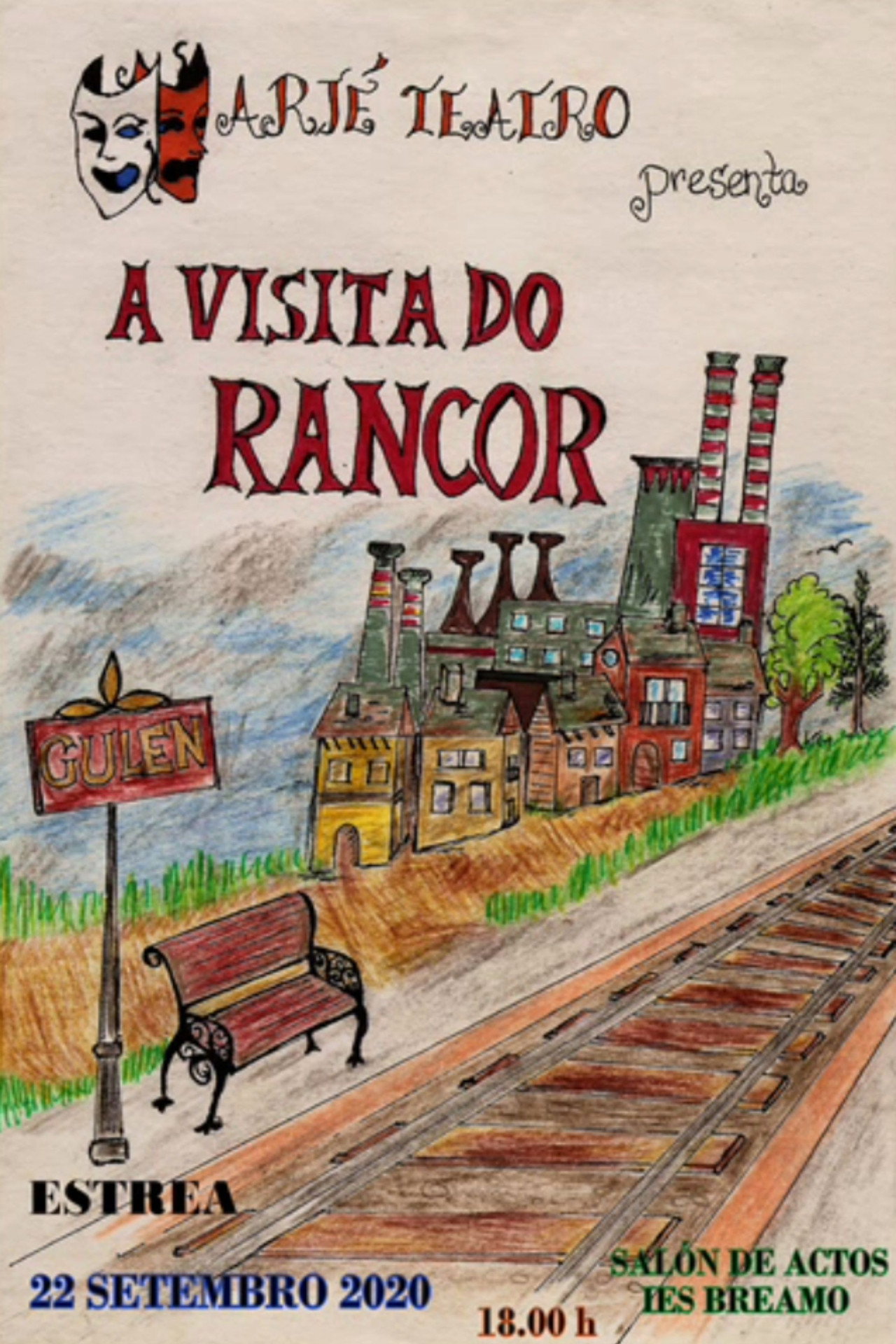
A visita do rancor
Writer
2020Návštěva staré dámy
Theatre Play
2000
The Visit of the Old Lady
Writer
1976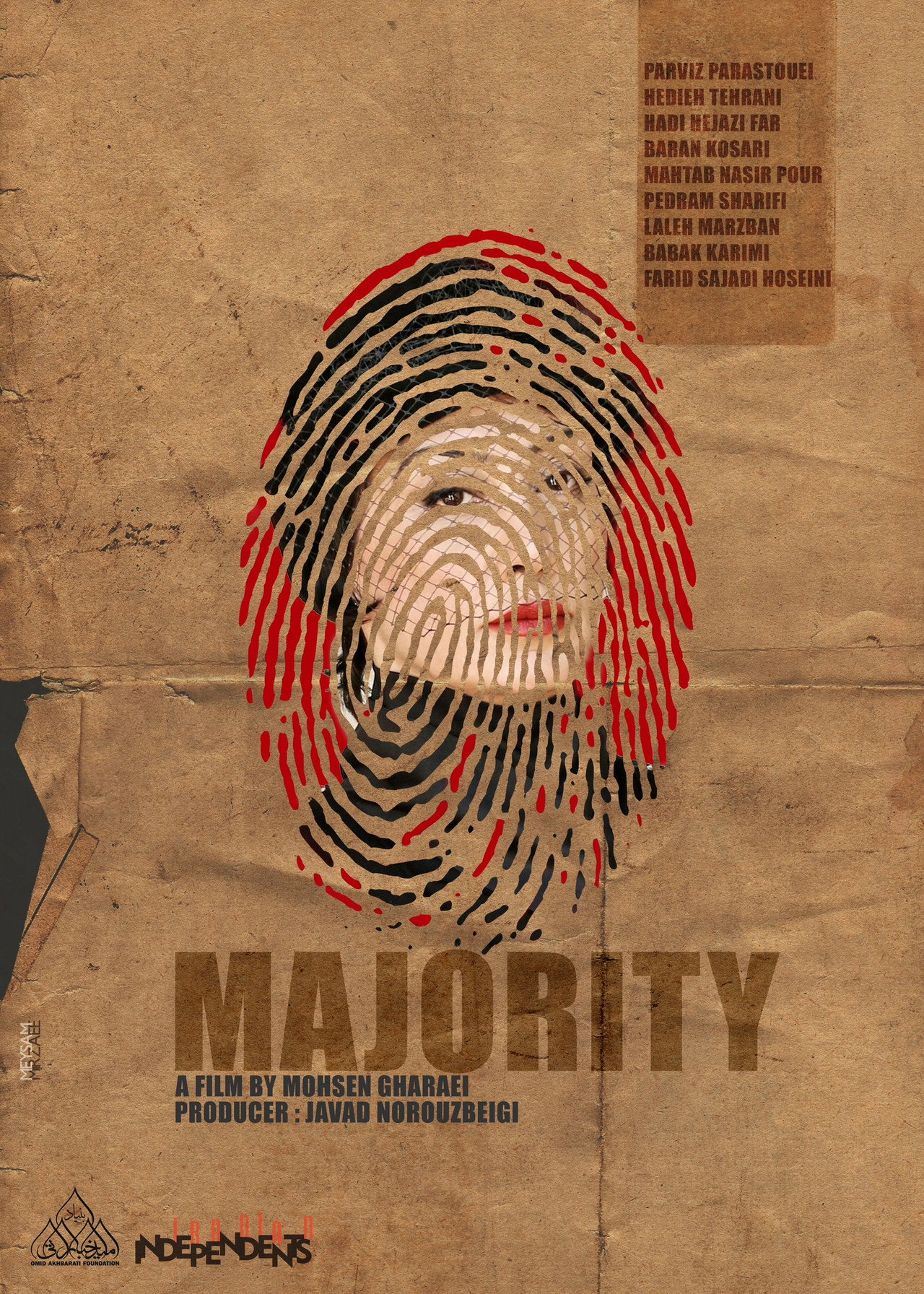
Majority
Writer
2021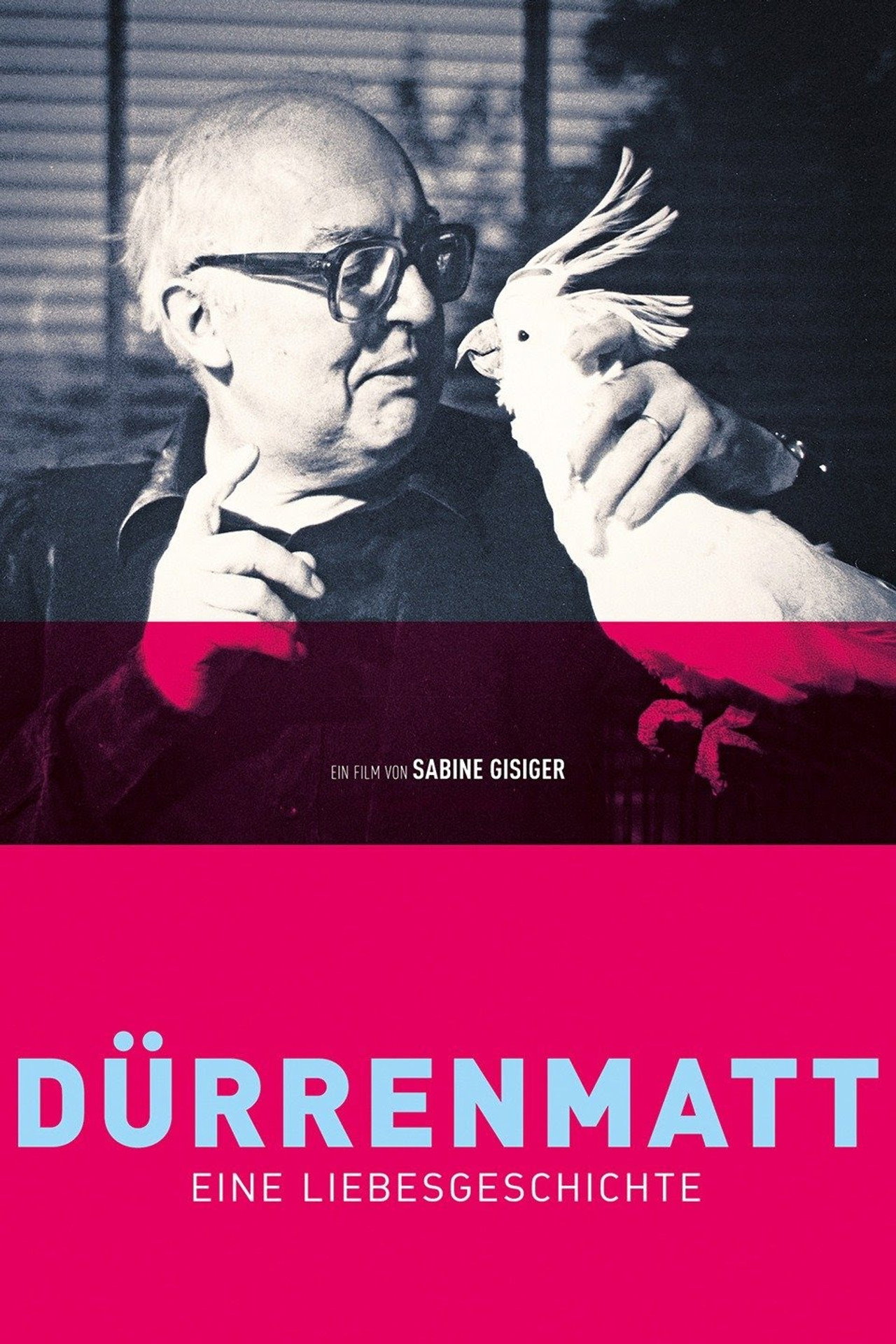
Dürrenmatt - A Love Story
Self (archive footage)
2015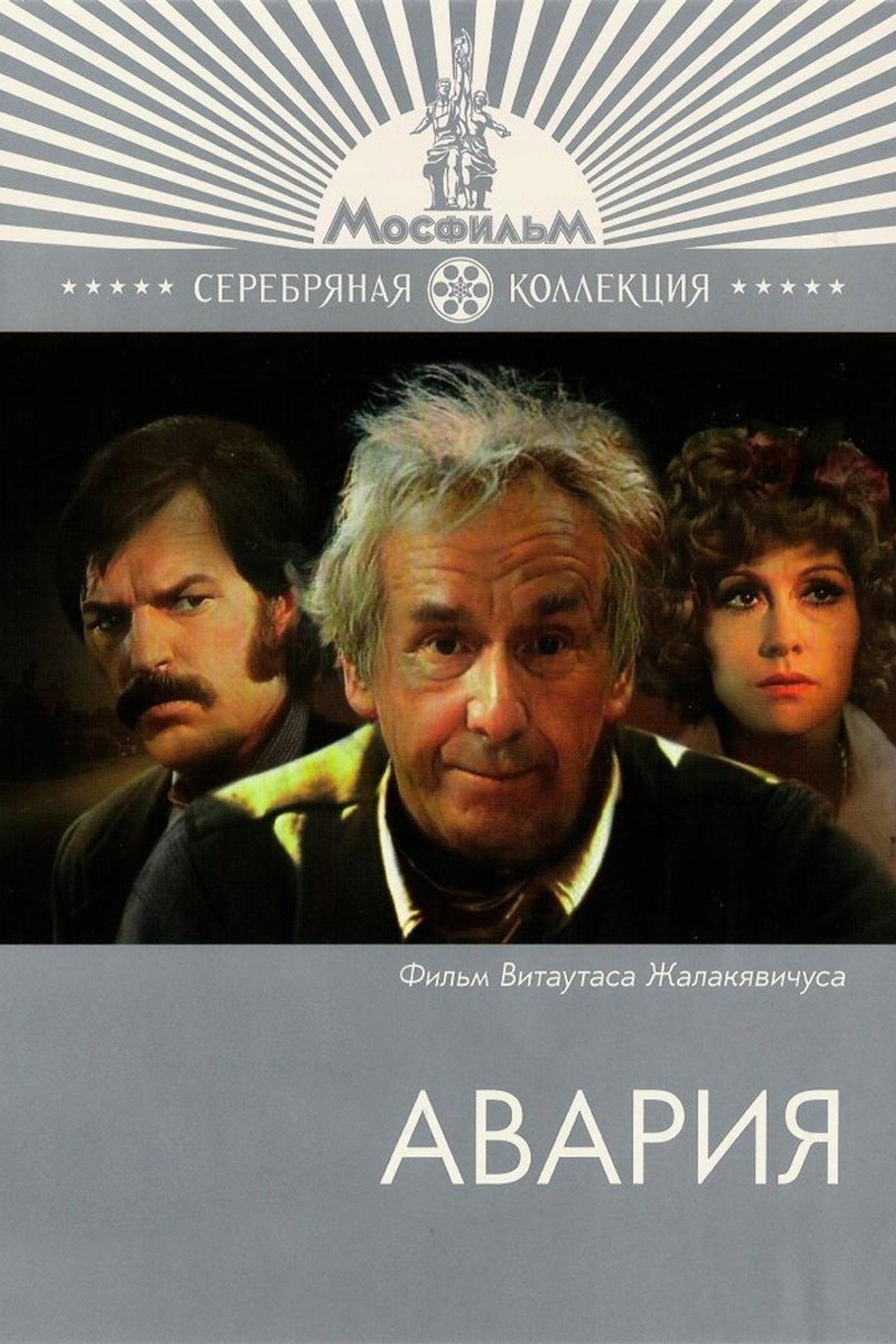
The Accident
Novel
1975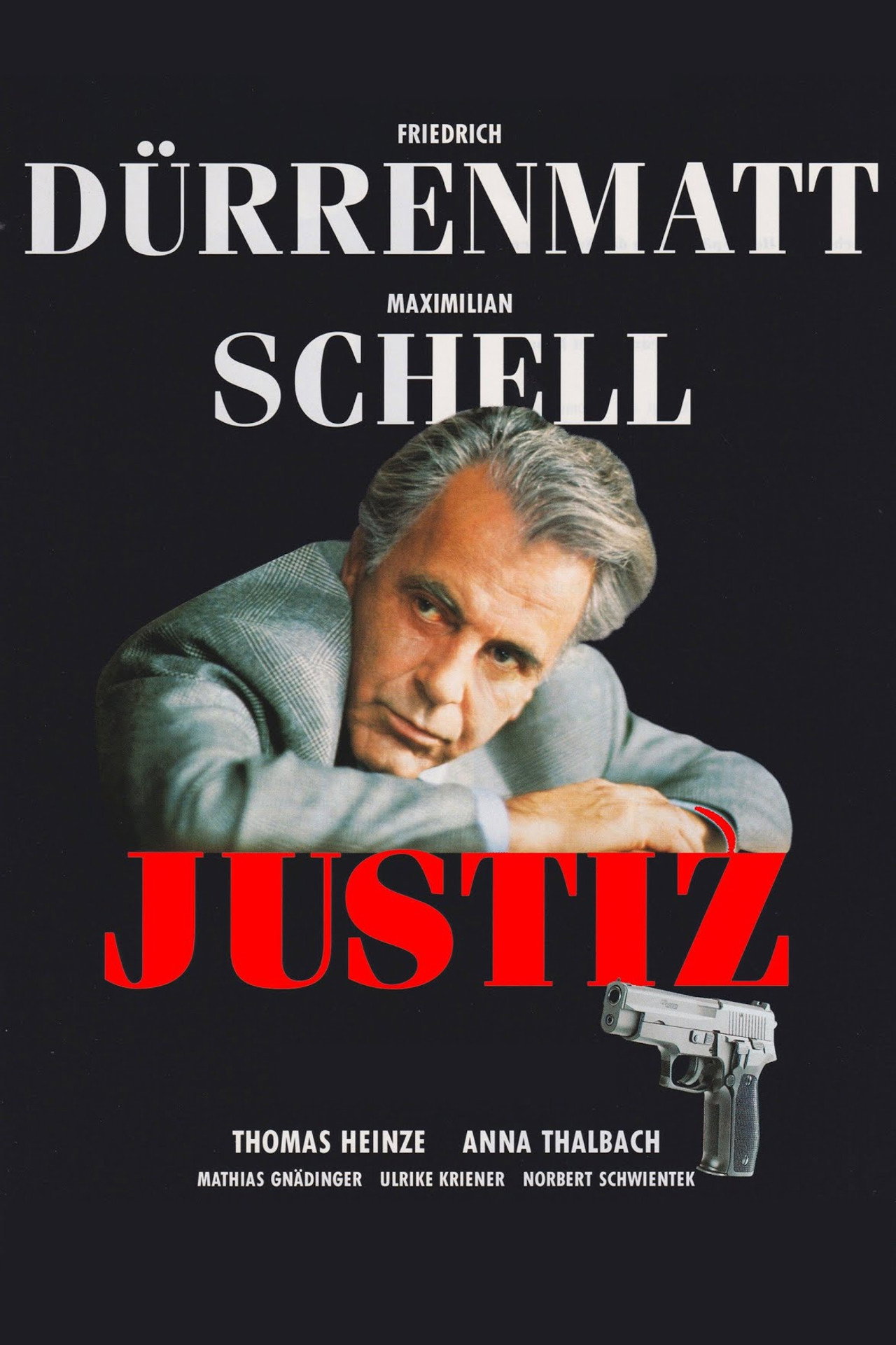
Justice
Novel
1993A bíró és a hóhér
Writer
1968
Night Conversation With a Despised Person
Original Story
1981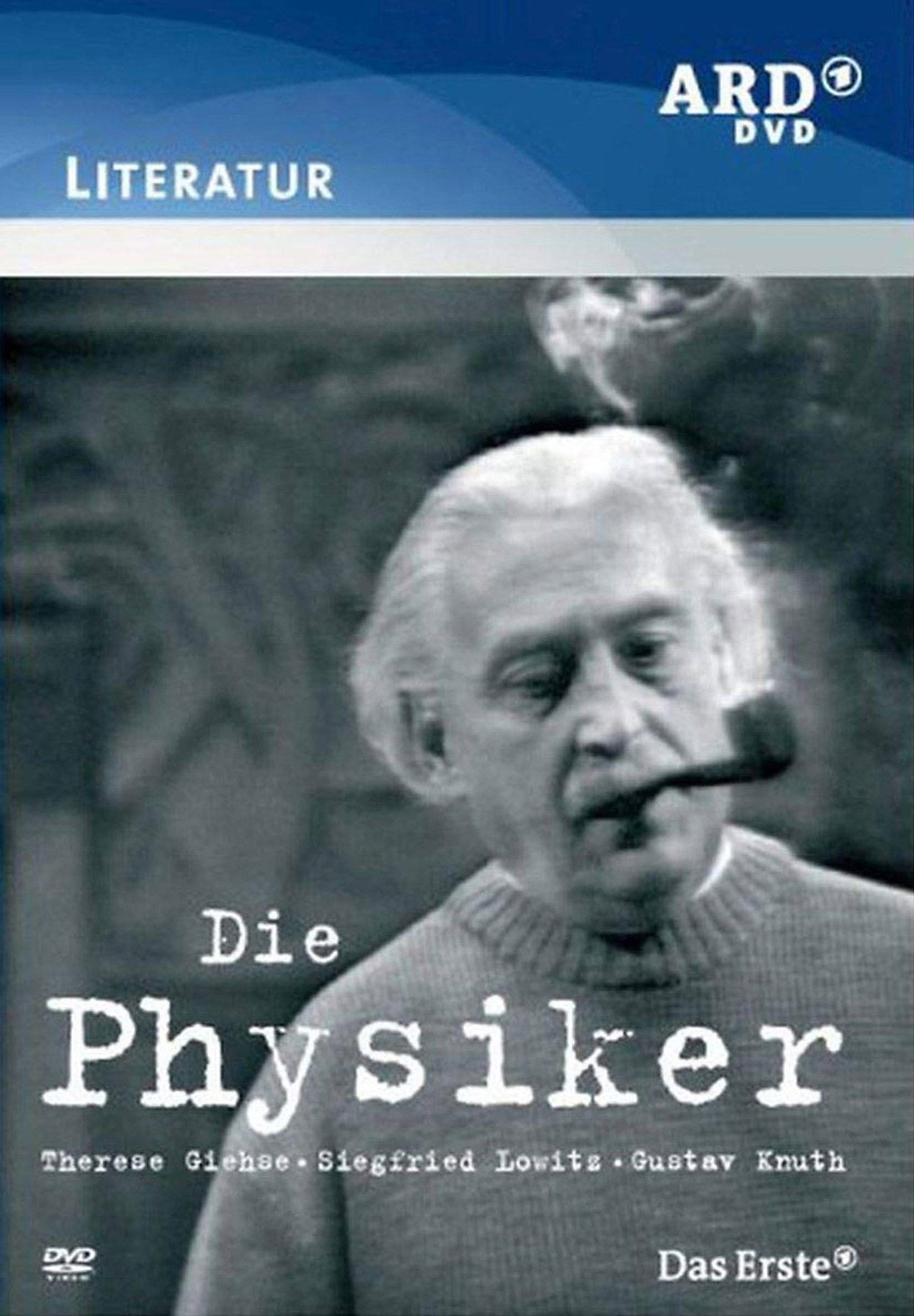
Die Physiker
Author
1964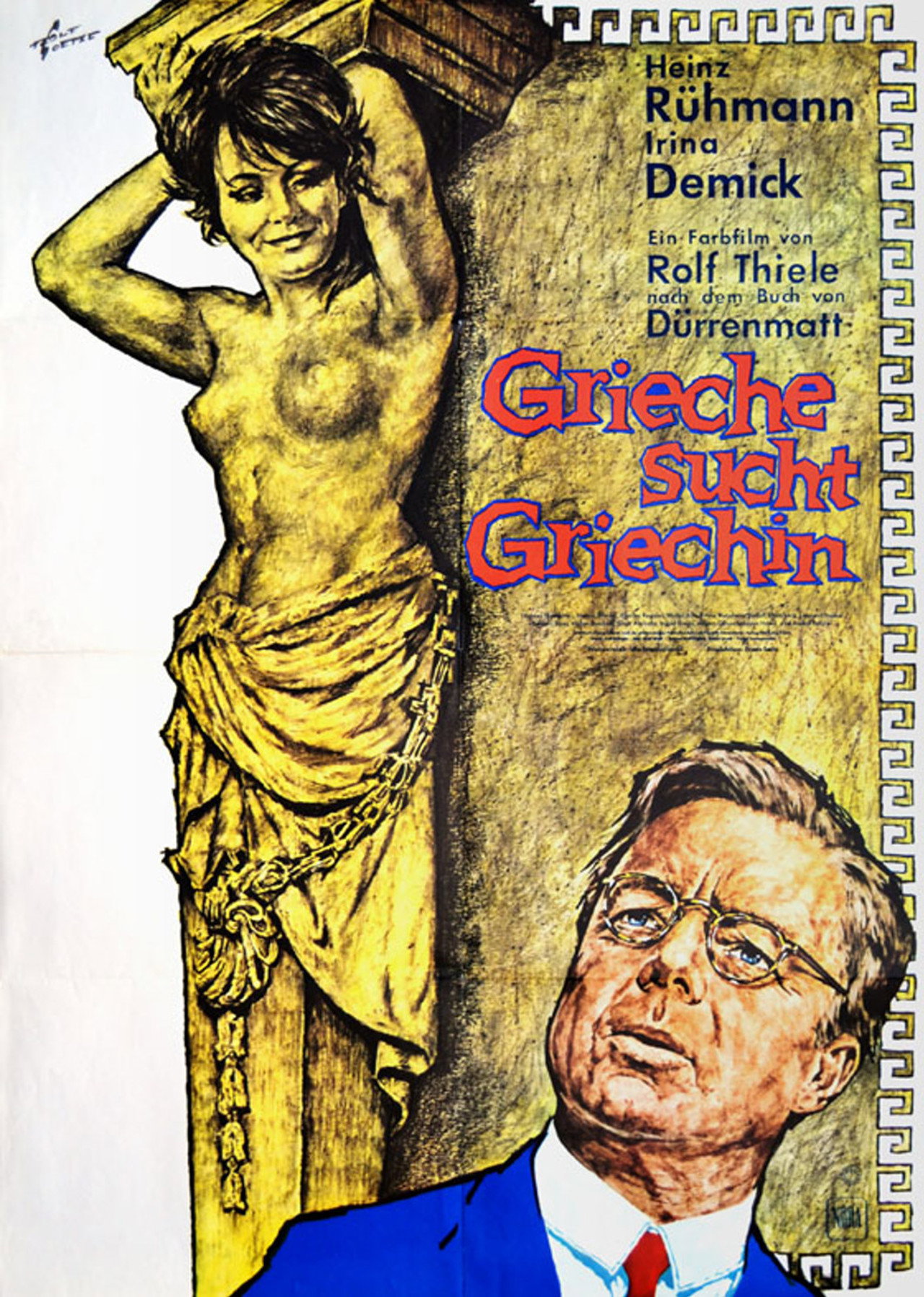
Once a Greek
Writer
1966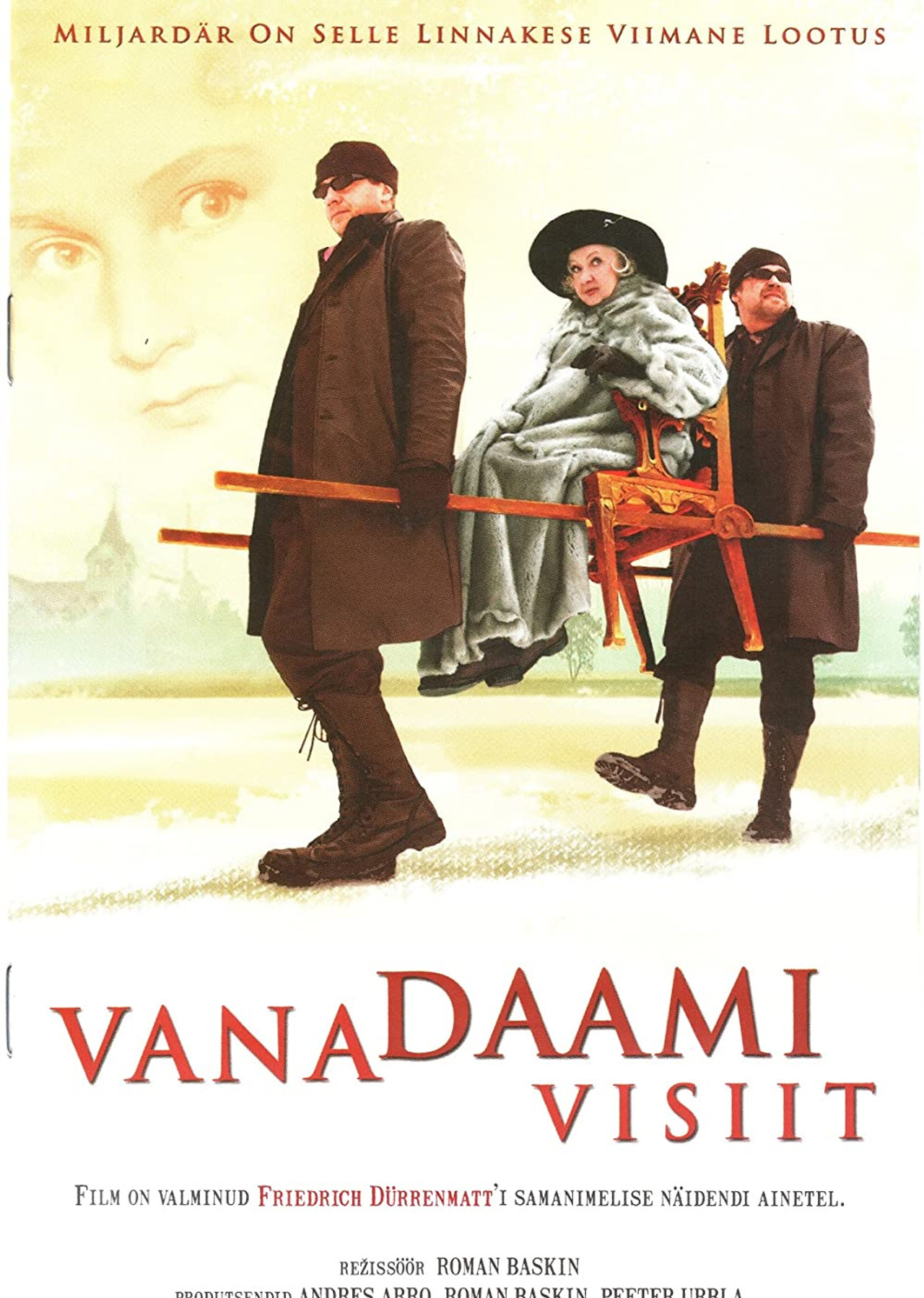
Visit of an Old Lady
Novel
2006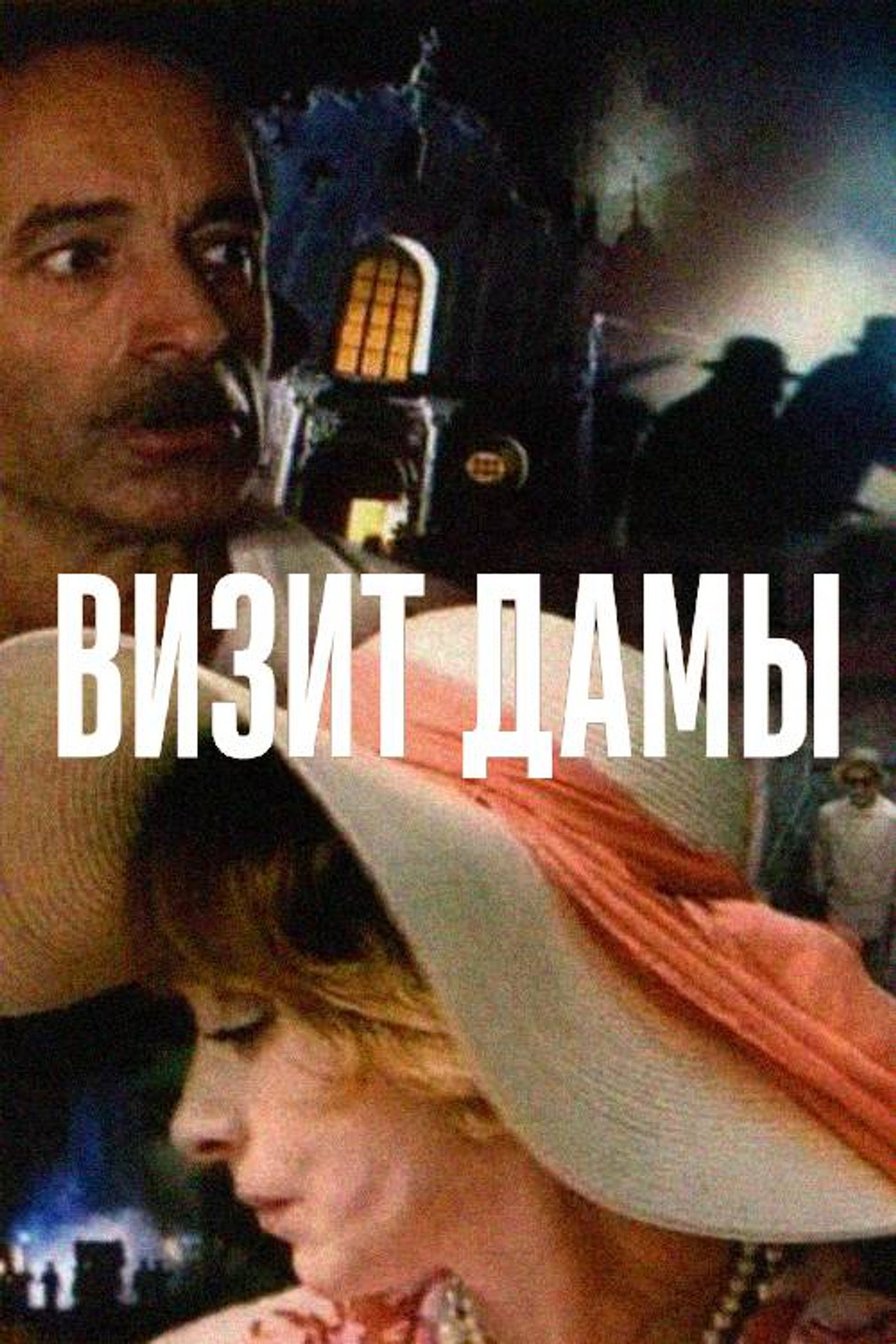
The Visit
Theatre Play
1989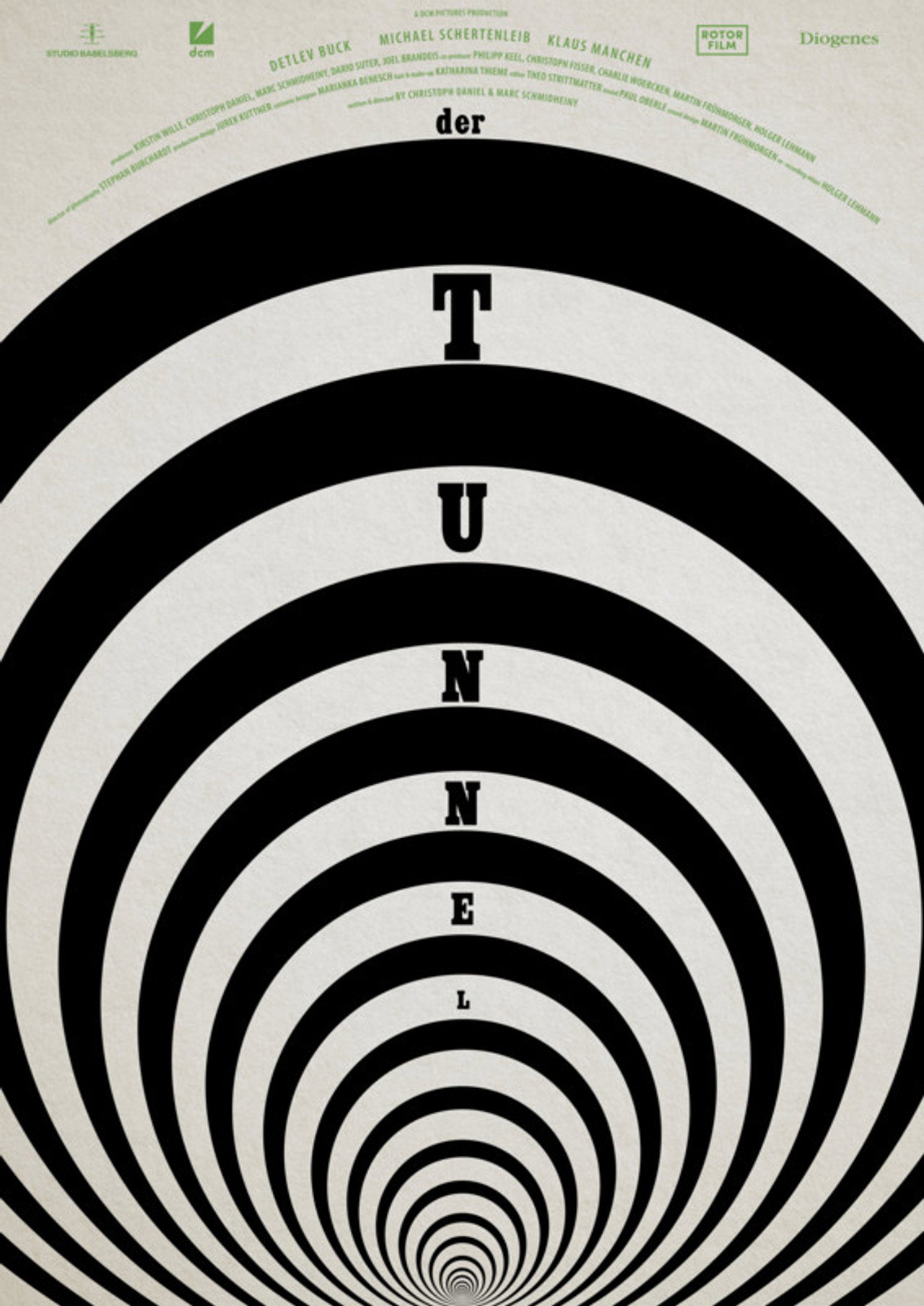
Der Tunnel
Short Story
2017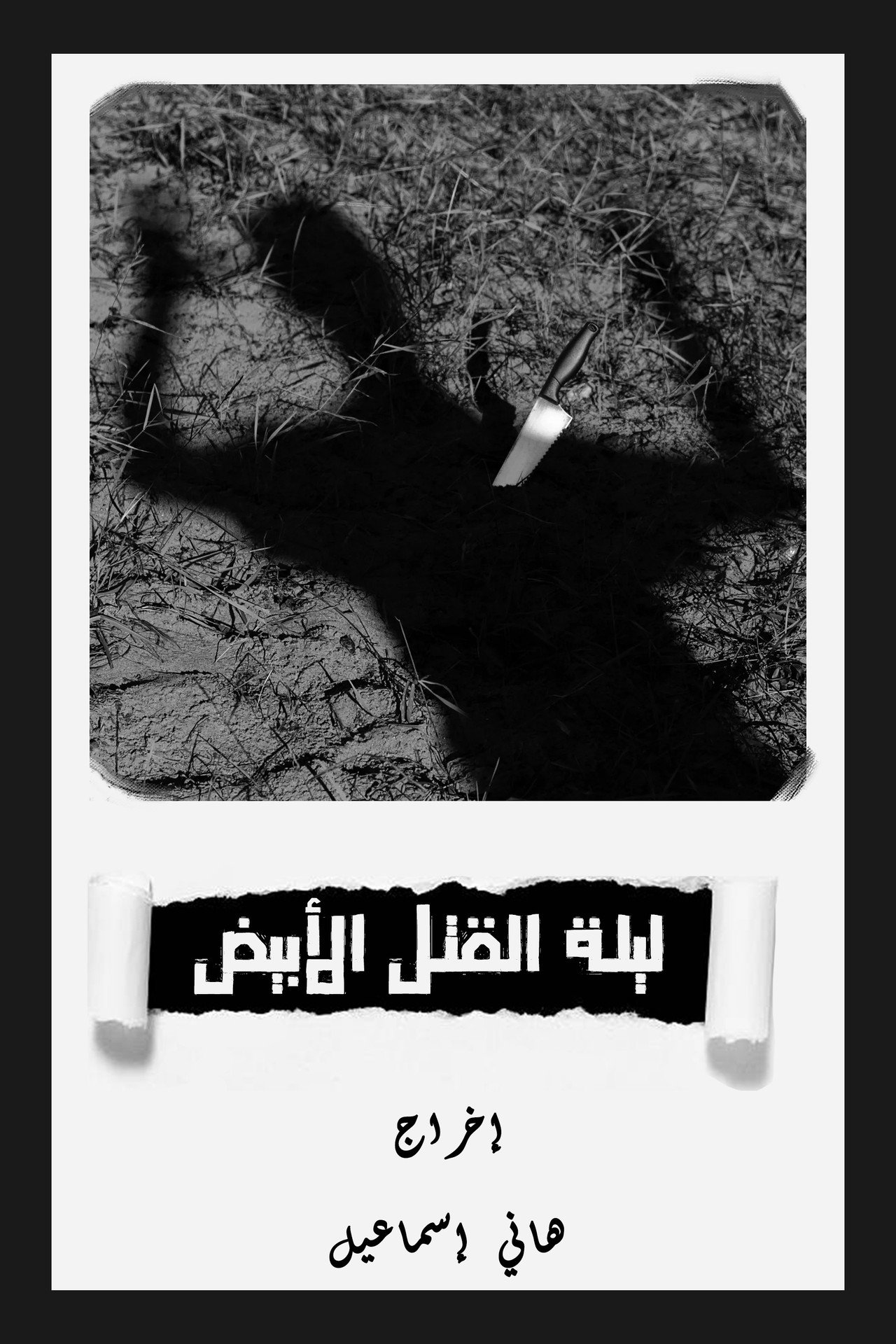
White Murder Night
Original Story
1985Romulus Veľký
Writer
1992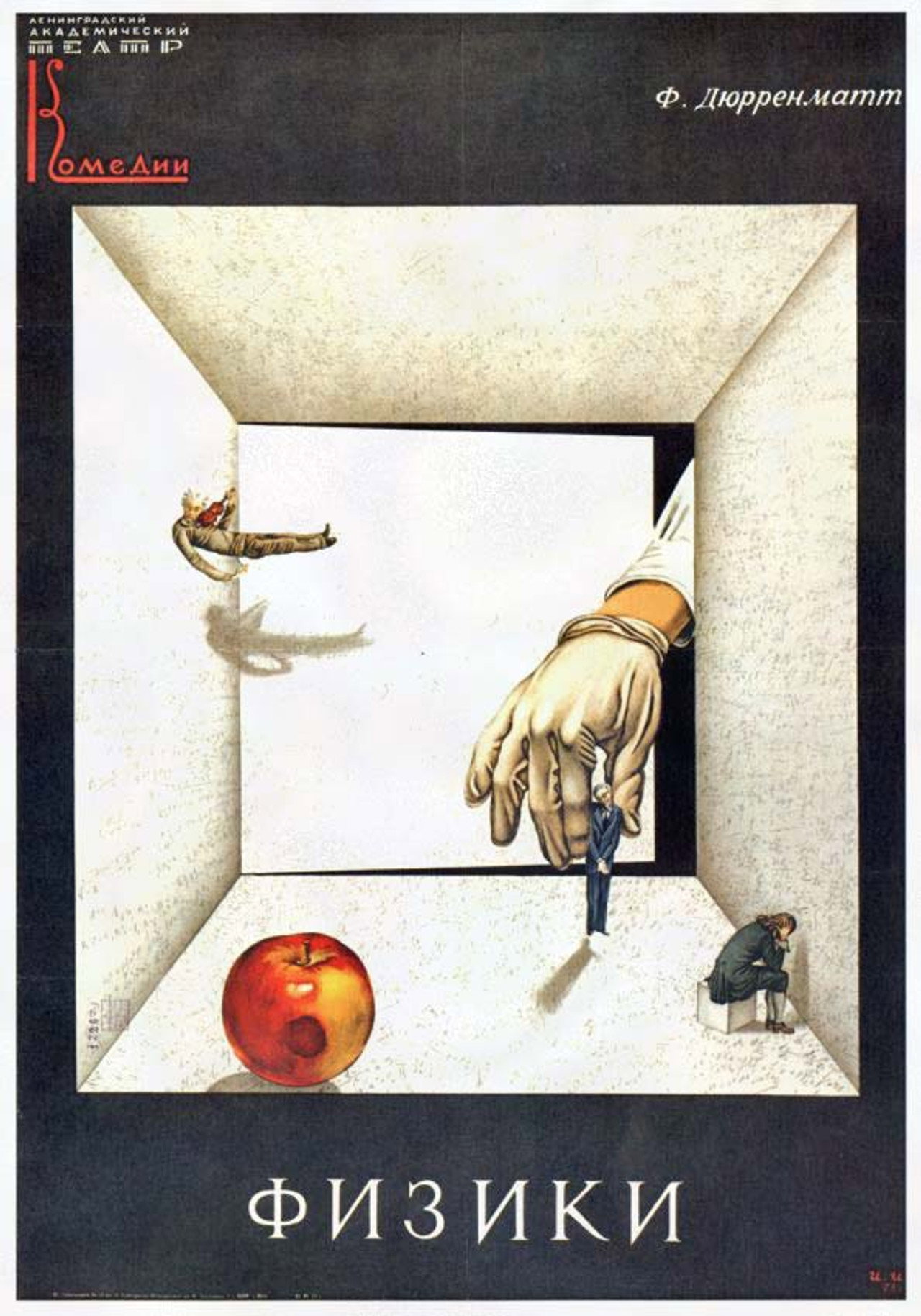
Physicists
Writer
1988A nagy Romulus
Writer
1982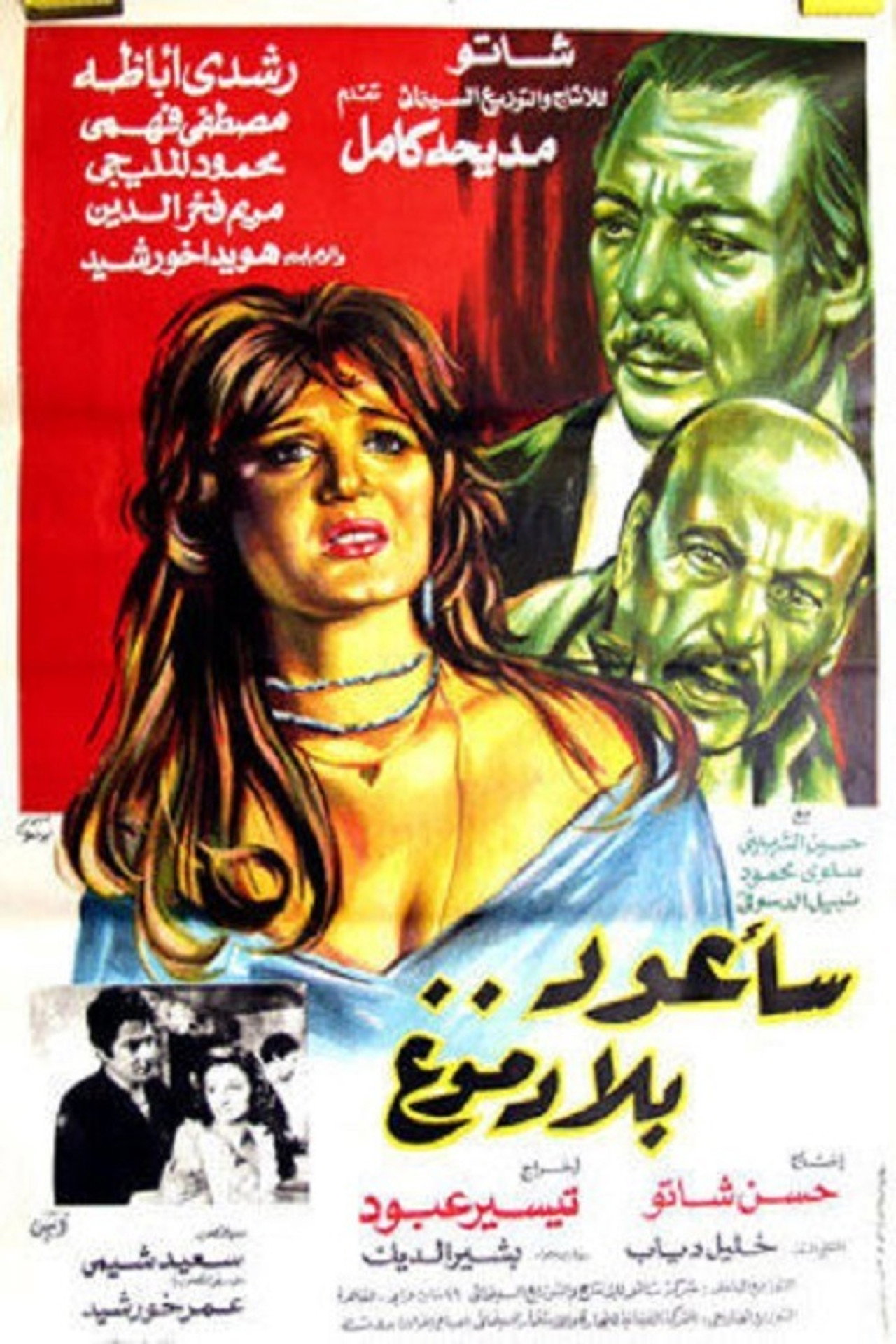
Sa'aoud Bila Domouo
Novel
1980